Do you want to be in the hustle and bustle of the inner city or chill out by the beach? Are parks for your pooch important or is proximity to lively nightspots your priority?
Sydney is chock-a-block with varied and hip neighbourhoods. We’ve helped to hone your new home search down by picking five popular Sydney hotspots.
If you’re considering a change of address, these read on to determine which trendy Sydney suburb could be your next port of call.
When you live in Surry Hills you can leave your car at home, with cycleways streaking through the leafy suburb, it’s not only eco-friendly but quick and easy to get from A to B. You’ll be happy to be cycling from place to place to work off all the extra calories you’ll be ingesting, with foodie delights waiting around every corner. Residents revel in craft beer, being home to ‘Sydney’s best breakfasts’, their coffee culture, wine bars and fashionable restaurants. The nightlife, galleries and posh boutique shops are not half bad either.
Surry Hills is filled with cycle-friendly leafy streets / Source: Shuttestock
Every day feels like a relaxing beach holiday when you call Manly home. Frolic in the shallows or grab a board and head for the surf break for exhilarating fun in the sun. For a chilled night out check out one of Manly’s plethora of pubs, bars, restaurants or the open-air food market. Manly has a beachy, sleepy and friendly small town feel, but if you do miss the big smoke remember it’s only a picturesque 30-minute ferry ride away.
A lively and hip paradise, Newtown has everything a modern-day hipster could ever want and need. With no shortage of affordable vegetarian and vegan restaurants, vintage clothing stores, tattoo parlours, pubs, clubs and live music, Newtown is the place to be. The stellar expansive street art is also worthy of an afternoon walking tour. The neighbouring up-and-coming suburb of Camperdown is worth a look too.
Home to Sydney’s most famous stretch of coastline, Bondi Beach is the place to be for beach lovers. With a glamorous Venice Beach LA vibe, do as the locals do and dine al fresco street side, browse stores along Campbell Parade, pick up some organic produce at Bondi’s Farmers Market and take a sunset stroll along the spectacular Bondi to Bronte Coastal Walk.
The super stylish Paddington aka ‘Paddo’ is home to Sydney’s fashionistas and ‘it girls’. Oxford Street is lined with high-end eateries as well as every designer boutique a shopaholic could wish for. Check out some local design talent at the Paddington market every Saturday which showcases locally made clothing, accessories and homewares. Stretch your fashionable legs by having a wander around neighbouring Centennial Park, the perfect spot for a lazy Sunday picnic, an evening jog or even horse riding. Best of all this is all only 3km from the CBD!
Windows can get dirty so easily. Cleaning them is simple enough, but there are a few tips and tricks you can learn to make them dazzling. Here’s what you need to know to do it yourself.
How to clean your windows
1. Wash the outside
For the exterior windows, start with the flyscreen if you have one. Doing this prevents your window from rapidly getting dirty again, since dirt and dust can build up from inside. Get rid of the cobwebs first by using a brush or a broom, then set aside. Then, wash your window down using a hose, soap and water or window cleaning agents.
After this is out of the way, it’s time to clean the windows themselves. Most cleaning business owners use commercial glass cleaning agents and solutions, but you can also make your own from soap or vinegar and water. After cleaning one window, ensure that you dry it quickly with a cloth (make sure it’s lint free!) Once your windows look clean and dry from the outside, put the fly screens back on.
Windows need to be cleaned from both the inside and the outside / Source: S.F.D Caringbah
2. Wash from the inside
This is a simple but arduous task. It can take a bit of time, so be patient. The best way to start is with the frames, which you should sweep with a duster or indoor brush. Follow this up with soap and water to make sure all dust and cobwebs are gone. Once the frames are clean, move to the glass. Like the outside windows, you can use soap and water, a specialised window cleaning agent or vinegar and water. All of these work pretty well.
Once you have wiped down the glass, dry it quickly with a cloth to prevent streaks, wet spots and marks that will mean you have to start the wiping process from scratch. Dont forget to dry the frames!
Cleaning your windows with vinegar
White vinegar can also be used as a great tool for cleaning, but can cause streaking if you’re using it on a window that has been cleaned with a commercial cleaning solution before. To prevent streaks, mix a solution of water, white vinegar and a touch of liquid detergen to wipe your windows down with. After this, use a mix of water and white vinegar solution on your windows to get them sparkling. You can dry them with a lint free cloth, but paper towels and newspapers also work well. After doing this, your windows can be cleaned with the vinegar and water solution regularly.
Cleaning roller blinds
If you have roller blinds in your home, you know that they are practical, easy to use, and elegant, but they do get dirty over time. They are not always the easiest thing to clean either. It is possible to clean them if you know how, or if you can turn to a professional for help with your specific needs.
Determine the material
Before you can get started with cleaning roller blinds, you need to determine the specific type of material it’s made of. Depending on the material, you may need to spot clean them. In other cases, you will be able to wash them. If you are not sure what the material is, it is best to ask a professional before getting started.
In many cases, it is possible to wash your roller blinds, including those made with fabric. In this case, you will need to start by vacuuming to remove as much debris as possible from the surface. Then remove the blind from the roller, lay the blind down and use a brush attachment for your vacuum to help further clean up the dust and dirt from the surface. If necessary, you can then place the blind into a large water container, such as in a bathtub, and allow the water and some mild detergent to gently work over it. Meanwhile, allow the blind to soak in a mixture of warm water and mild detergent. This will loosen any dust or dirt and will allow you to use a cloth to wipe it clean. For stains, use use a toothbrush.
Once the blind is clean, you can drain the water and then fill it again with clean, fresh water. This will allow all of the soap to come out of the blind. Once you have completely washed it, lay it on a flat surface to dry and allow to fully dry before reattaching to the roller.
Contact local window cleaners
Tips for spot cleaning
Sometimes you may not be able to wash a roller blind. In this case, you can spot clean it to remove visible dirt.This is the safest and easiest way to clean non-washable blinds.Vacuum the blind first, then create a solution of laundry detergent and warm water to use to wipe off debris. You will want to use a sponge or toothbrush to tackle problem areas. You do not want to wet the entire blind, but work on just those areas necessary. Remember to spot test before you tackle the whole blind in case the cleaning solution discolours it.
If you’re looking for ways to reduce your water bill, low taps are are in ideal solution.
What are low flow taps?
Low flow taps are deceiving by name. You may think that because they’re called low flow taps, you won’t have high-pressure water coming out, but this is the contrary. Regular taps use more water and therefore produce more water pressure which results in increased water flow. However, low flow taps also produce a high power water flow, but it does this by mixing air into the water, which gives the appearance of a higher flow; although the pressure feels just about the same.
A normal tap lets out up to 18 L of water per minute whereas the low flow taps only use about 2 L of water per minute, which really saves you a tremendous amount on your water bill. When looking for low flow tap, you may run into the Acronym WELS. WELS is a water efficiency labeling scheme. WELS rates items according to efficiency and it allows you to see how much you’re saving and how efficient the product is before purchasing it. WELS has a six star rating system with the higher stars being more efficient and the lower stars being less efficient. Any water producing item that you purchase is rated by WELS.
Advantages of using low flow taps
Low flow taps help to stop water wastage and also provides you with a better source of water. In addition, they decrease your water cost and are more energy-efficient. This might be an ideal solution in a household that has high water usage or higher water bills. Besides simply saving you money on your water, there are two other benefits to using low flow taps. These benefits include saving money on electricity and reducing water wastage.
Low flow toilets
As one of the most essential fixtures in your home, the toilet is also the most consuming of water. By installing low flow toilets, you will lose significantly less water (and see a lower water bill), without noticing a change in the toilet’s effectiveness. In addition to improving water efficiency, low flow toilets will ensure your home is up to code.
What are low flow toilets?
Other than outdoor irrigation, the standard toilet is the largest water consumer in your home. By installing a low flow toilet, you can reduce water usage while still performing the same function of removing bodily waste. To effectively remove waste, gravity assists during the flushing process allowing low flow toilets to only use six litres of water per flush. These toilets are available in the most basic models and also top-of-the-line units.
The most common type of low-flow toilet on the market is the dual flush model which has two buttons. The first button, known as the half flush, uses only three litres of water to eliminate liquid waste. The second button, referred to as the full flush, uses up to six litres of water to dispose of solid waste. Therefore, you are only using as much water as necessary for each visit.
Buying a low flow toilet
If you are in the market for a low flow toilet, there are a few considerations. First, ensure the toilet has been certified as water efficient. The amount of water used in the half and full flushes should be readily available. Second, ensure there is enough space in your bathroom to fit the new toilet. Third, there is a wide variety of designs including:
Colour
Height
Modifications (heated seats, bidet, etc.)
Shape (round or elongated)
Noisiness
Water saving tips
In addition to installing low flow taps, there are many other ways that you can reduce your energy costs and save wastage. Some of these tips include:
Installing low flow tabs on all sinks, tubs and basins in your home
Minimizing the temperature on your heater
Closing taps when you’re not using them and frequently checking any pipes for leakages
Remember a small leak can add up, so it’s best to have that leak under control before it causes more problems. Low flow taps can be a tremendous help, but if they aren’t maintained or used properly they can contribute to water wastage.
A beautiful bathroom is your private sanctuary, a place for long, relaxing baths and pampering. It may be one of the smallest rooms in the house but it’s one with a lot of components and should be one of the most considered spaces when renovating. If you’ve decided to update your bathroom, some careful planning can go a long way to ensuring your end result is what you’ve been dreaming of.
Here are some things to consider when planning your bathroom renovation.
What do you want to achieve?
Are you looking to create a luxurious space that feels like an exclusive spa, or do you need a practical bathroom that will meet the needs of a family of 5? It’s important to start your planning process with your goals in mind to ensure you and your family’s wants and needs are met. Who will be using this bathroom and will their needs be met? Think about what are absolute must haves and what you’re prepared to compromise on. Write a list of what you don’t like about your current bathroom so that you can rectify these problems in the next.
Start your bathroom renovation planning with the end goal clearly in mind / Source: Ryan Linnegar Photography
Budget
Knowing how much you have to spend is critical when planning a renovation. Can you afford a total remodel or do you just want to change the vanity and fixtures? Having a budget will make it much easier to determine your parameters and will ensure you get maximum bang for your buck. The size of the space, the materials you choose and whether you’re going to be doing any of the work yourself will affect the cost of a renovation.
Get inspired
Look for design inspiration in magazines, online or in showrooms. Keep your goals in mind, along with the rest of your home – the bathroom should ideally continue the flow of the décor. You don’t want your bathroom to quickly date so be wary of trends. Do your homework and find classic, timeless designs you’ll love for a long time to come. Collate a collection of inspiring images, get samples and actually see the products where possible instead of just looking online. Utilise visual rendering technology where possible to give you a better idea of what your finished bathroom will look like.
Design & layout
In a space as small as a bathroom, design and layout is critical to ensure functionality and usability. You don’t want to end up with your knees hitting the edge of the bath every time you use the toilet or a tiny shower that you’re disappointed with. Get familiar with the space you have to work with and once you have a preliminary design, ensure it’s to scale.
There are lots of space saving ideas for a bathroom. Things like corner vanity units can really open up your space or having a sliding door instead of a traditional hinged door can work wonders.
Determine the focal point of the bathroom when you enter the room and be sure to plan for quality materials and fixtures in this area. The primary fixtures are the toilet, sink, bathtub and/or shower stall. Think about clearances, such as the shower door hitting the main door. If you are laying in the tub, do you want to be staring at the toilet? Also, where are the utilities such as water, sewer and electricity located? The less you have to move existing utilities or run new ones, the more economical the bathroom will be.
Some things other questions to consider:
Is there adequate ventilation?
Do I want a wet room or a shower screen?
Is the shower large enough?
Are there enough windows and do they need to be moved?
Is there enough storage space?
Is the bath large enough?
Is there enough natural light?
Are there enough power outlets?
Is there enough benchtop space?
What will the height of the sink be if it’s a bowl sink?
Lighting choice is critical in a bathroom. You need to have different lighting for different functions – a bright light for applying make-up and soft, muted lighting for a luxuriously long soak in the bath. Be sure to include layers of decorative, task, accent and ambient lighting to achieve a beautiful yet practical design that will meet all of your needs.
Timing
If you are project managing, plan your trades and services in the correct order to avoid costly mistakes. If you’re doing a lot of the work yourself, make sure you’ve done your research. The more mistakes, the longer it takes, and the longer you’ll be without a bathroom and using the gym showers.
Have everything you need
Before you take to your old bathroom with a sledgehammer, make sure you have everything you need on hand. It can be a long wait for those porcelain tiles from Morocco to arrive when you don’t have a usable bathroom. Check that all of your materials have arrived undamaged so you don’t hold up progress having to get replacement materials at the last minute.
Spend money wisely
Assess what can be saved from your existing bathroom. If you can work with some of the things you’ve already got you’re going to save a considerable amount of money. Tiles can be re-grouted, baths can be resurfaced and walls can be painted, there are lots of things you can do to refresh your space without doing a total demolition job. Just changing the vanity unit or the fixtures and fittings can really transform a bathroom.
Don’t be tempted to buy the cheapest options available for everything. Buy quality where you can and splurge on a few key pieces that will really set the tone of the space and add to its luxury.
Think about whether you absolutely need to move the location of the shower, toilet, bath and vanity units – doing so may mean you need to need to move the plumbing which can be costly. Sometimes it’s absolutely worth doing but you need to weigh up. Perhaps you could upgrade the toilet instead of moving it, or change the old shower screen to a sliding screen. There are plenty of ways to improve your space without spending a fortune. Be smart with your budget and it will stretch a whole lot further.
Contact local bathroom renovators
Storage
Clutter isn’t appealing in a bathroom and can quickly ruin your carefully planned aesthetic. Those tacky plastic hangers for shampoo and conditioner can be avoided if you plan to have a recessed area built in to your shower. Choose your vanity unit wisely and in accordance with your storage needs. Whilst pedestal basins may look fantastic, they aren’t exactly practical if you’re short on storage space.
Think about what you keep in your bathroom now and plan for plenty of space, especially if the bathroom is being used by multiple people. Consider options such as recessed cabinetry, vanities, medicine cabinets, over the toilet storage, and eye level shelving to keep your bathroom looking organised and provide a place for everything.
Do you need to have plans drawn up or council approval?
Depending on the extent of your renovation, you may need to have plans drawn up or gain local council approval. Most councils allow for minor changes that don’t alter the structure or services such as plumbing, drainage and electrical, however it is always best to check what your local government’s policies are.
Whether you’re a seasoned DIY veteran or just starting out, understanding the potential pitfalls involved with a renovation project is a good way to ensure that you don’t end up with your home in a state of disaster. We’ve compiled a list of the five most common DIY mistakes and a guide on how to avoid them.
Diving in the deep end
The cause of many DIY disasters is from being a little too enthusiastic about starting a project before it’s properly planned out. With numerous DIY shows making it look simple, it’s easy to underestimate the actual size of a job and start something that is above your skill level.
How to avoid: Take a step back from the project and assess if you are up to the challenge. Are you willing to take the time and effort to learn new skills if you need to? Do you have enough of a buffer in your finances if something goes wrong? Start small, if you can, and always have a plan to find help.
How to solve: If you do find yourself in over your head the best thing to do is to take a step back and evaluate. If things have progressed to a point where you have no choice but to continue consider hiring a professional.
This mistake is closely linked to the first. Improperly budgeting can be the undoing of a lot more than just your project. Most building projects have a lot of hidden or incidental costs that may come as a nasty surprise if you start without creating a watertight budget. It’s worthwhile doing lots of research
How to avoid: Before you begin, go over the whole project on paper first. Note down every material you will need, the associated costs, whether or not you have the right tools, etc. Then once you have that final figure add 10% as a buffer in case of any accidents.
How to solve: If you’re stuck in a position where you are running out of money to continue the project, stop working on it. You can end up spending good money after bad if you don’t re assess. That assessment should be about prioritising what need fixing so that you can continue living in your home. That way you will have time to rebuild your funds and finish the project when you are better prepared to do so.
Making mistakes with the measurements
The difference of a few centimetres can cost a lot of time and money. Ordering materials in the wrong size or worse, cutting something to the wrong length can bring a project to a standstill.
How to avoid: Measure twice and cut once. Always make sure that you take down the measurements as accurately as possible. This means not only making sure that your measuring equipment is exact but also that you record the measurement correctly. Don’t be worried if you spend a bit of time ensuring that your measurements are correct. It will save you a lot of time and problems in the long run.
How to solve: If you have cut to the wrong measurements, unfortunately, you have very little option than to either reair the section that has been damaged or buy more materials. However, always keep the remaining materials. They may end up being useful later on in the project or give you extra coverage in a future project should the same issue arise.
Using the wrong tools
Certain materials need to be handled using specific tools. Trying to complete a job using the wrong tools is a dangerous endeavour. You can end up using more force than necessary and end up damaging your home or yourself.
How to avoid: Always use the right tool for the job. If you don’t have the tools at hand, or cannot afford to buy them, see whether there are rental options available to you or whether your friends or family can lend you one.
It’s also important to remember that even if you have the right tool, make sure it is in good working order before you use it. A broken or worn tool can be just as dangerous as the wrong tool.
Take safety seriously
DIY can feel like a hobby. Working on the project whenever you have the time to chip away at a smaller task. However, not having proper ventilation in a room while painting, operation power tools, or demolishing a room can all lead to potentially life-threatening injuries.
How to avoid: Always wear the appropriate safety equipment. Gloves, ear protection, safety glasses, respirators even a dust mask can make all the difference in saving yourself from serious damage. If you’re ever in doubt or don’t have the right tools and equipment to complete a job safely, consult a professional.
Contact local builders
Common kitchen renovation mistakes to avoid
Overspending
One of the biggest concerns is staying within your budget. You need to be realistic, and you need to make sure you are not spending money that you simply don’t have on a renovation. A good guide to use when doing a renovation is not to spend more than seven percent of the cost of the home to do the renovation. Be flexible with your options, and do not go overboard on a costly project.
Accuracy
You need to make sure you measure properly when renovating a kitchen. If you have the wrong dimensions, it can cause a lot of havoc. There are cabinets, appliances, benchtops, and flooring that are all hinging on your ability to know how much space you have and how to put everything together.
Do not fall head over heels for what is hot right now. There is a reason they are called trends; they will not last very long. You do not want to have to renovate every couple of years because you are bored with the design or because what you did is now considered hideous. If you want to use the latest idea, make sure it is something that can be changed out easily to stay current.
Get the right pros
Make sure you hire professionals you know you can trust. See what else they have done, and make sure they are able to do all of the work you want within the budget you have. You want them to stay on time and do the job right.
Remember the small details
Yes, we all want the kitchen to look great, but where are you going to plug everything in? Make sure you have power points laid out, as well as the proper lighting and proper appliance location. See how well everything will fit in the newly renovated room.
Proper storage
No matter how nice the kitchen looks when you walk in, it won’t matter if you do not have someplace to put everything. Proper and adequate storage will make you feel better about the area, and it will help you keep your renovated room clean and organised.
Think about the finished product from the start
The kitchen is a place where everyone spends time. You need to make sure that it will look good and function well for you as well. It’s about making it look more modern and eye-catching, while still being comfortable to cook in.
To give your home a lift or seasonal refresh, the best option is usually a fresh coat of paint. However, should you fork out money for a professional painter to get the job done, or have a go at doing it yourself? Here, we explore the advantages of hiring an expert.
Advantages of hiring a professional painter
1. Experience
Local painting businesses are equipped with painters who have years of experience in the trade, meaning that they know everything from how many tins of paint it will take to paint a room depending on its size, how many coats of paint are needed, and if any special measures are needed to prepare a surface for painting.
2. The right equipment
Chances are you won’t have an array of paint brushes, rollers and drop sheets at home. Through hiring a professional home painter you won’t need to waste money and storage space on painting equipment you’ll seldom use.
A fresh coat of paint can increase the value of your property / Source: MKG Interior Design
3. Health & safety
Don’t neglect the idea of safety when painting, especially if your painting job involves heights, ceilings and hard to reach areas. Professional painters have the right type of ladders and harness equipment to paint difficult to reach walls in the home. Painting also involves using chemicals such as solvents to clean up any spillages or paint runs, which can be very dangerous if they make contact with skin or are inhaled.
4. Perfect finish
You may think that the do-it-yourself approach to painting is worth the cost savings of hiring a professional. However commercial painters and home painters are trained perfectionists who will ensure that the job is completed to the highest of standards. It’s certainly worth spending the extra money to achieve a quality finish for your home or business. Professional decorators also know which are the best paint brands and finishes for each type of job, whether you want a matt, gloss, satin or eggshell finish your painter will be able to source the best quality product to achieve the desired look.
Q&A with a professional painter
We spoke to professional painter Hass from DHY Painting And Decorating, based in Mill Park Victoria, to find out more about Australian home painting trends, the most requested painting jobs, popular paint colours and what the best thing is about being a professional painter.
How long have you been painting and decorating for?
Painting is a family trade, my father is a painter, and my great uncle was a painter. I was exposed to painting from a very young age. Every school holiday during high school, I was out with my father and uncle acting as their apprentice.
What are your most requested painting jobs?
My most requested work would be repainting for landlords refreshing their property to release. But we don’t stop there, DHY Painting complete paint jobs for many new homes, repainting for family homes, office repaints, and many other special projects.
What is the most popular colour Australian home owners are painting their walls?
It would definitely be “White on White”.
What sort of paint is best to use for painting exterior walls and fences?
My go-to paint for exterior walls and fences would have to be Taubmans Endure Exterior, or Taubmans All Weather.
For exterior painting Hass recommends Taubmans Endure Exterior or All Weather / Source: Jnaid & Sons
What’s the largest paint job you’ve completed?
The largest commercial paint job I’ve ever completed was painting part of the Chadstone Shopping Centre extension, Australia’s largest major shopping centres. The largest domestic paint job I’ve completed was a 100 square metre home in Eden Park, Melbourne.
What colours do you recommend using when painting your home to be sold?
White! A blank canvas is the most appealing to home buyers.
How many days does it usually take you to complete a paint job?
It usually takes me around 2 days to repaint a 2 bedroom unit. A 3 bedroom home can take 3-5 days to repaint.
What is your favourite part of your job?
My favourite part of the job of being a professional painter would definitely have to be handover time. It is such a good feeling, seeing the excitement on my clients face when we transform their property and give it a new lease of life!
Choosing between carpets can be tricky and with the range of colours and textures on the market, it can get overwhelming. The texture and colour you choose for your carpet will primarily depend on the way your space is used. In areas of high activity, durable fabrics will work best but in rooms that cater to children, a darker carpet will be preferable. Discover how to choose a carpet for your space based on the different styles and fibres available.
Different types of carpet available
Cut or loop
Carpets are either a cut pile or loop pile construction and both styles offer something different. The differences lie in the style, level and length of the yarn, but the material you choose will depend on the durability and ease of the maintenance you prefer.
In a loop carpet, the yarn is looped and doesn’t show external marks created by walking or vacuuming, making it ideal for areas with high foot traffic. On the other hand, the exposed yarn is cut and looped in a cut and loop yarn carpet. These carpets are more suitable for bedrooms, where foot traffic is quite low.
Twist carpets: also known as ‘frieze’ carpets, are comprised of yarn twisted in different directions that create the appearance of depth and texture. As a cut pile style, twist carpets provide a comfortable and soft surface but are also long lasting and durable, making it the ideal option for households with pets. The textured look is currently trending and can complement modern home designs.
Plush carpets: are level-cut piles that are luxurious options for the home, ensuring comfort and style. With consistent fibre lengths and a high-sheen surface, cut pile plush carpets are more prone to display temporary shades from vacuums and footprints. Textured plush carpets, however, have fibres twisted in different angles and effectively conceal vacuum or footprints making it an ideal option for high activity areas and people with busy lifestyles.
Loop carpets: Loops of yarn can create a range of modern carpet finishes. Loop carpets referred to as Berber, are created with yarns that are looped back into the carpet and are generally made from nylon or olefin fibres. Level or multi-level loops are constructed with rows of looped yarns of the same or variant heights, depending on your preference and style.
Wool or nylon
In Australian homes, the most popular carpet selections are made of blends from nylon, wool or olefin (polypropylene). Choosing a carpet won’t depend on the fibre selection alone, but determining which fibres are best suited to your environment will help you make the right carpet choice.
Wool carpets can be a great addition to a space, feeling soft and luxurious. Wool is a natural and sustainable fibre, which is bound to keep you warm in winter and cool in the summer. As a resilient and easily dyed fibre, wool is also available in a range of styles to adapt to the look of your home. Textured or twist carpets can often trap dirt between fibres and will quickly absorb any liquid stains so the required maintenance should be considered prior to investing in a wool rug or carpet. The elasticity and resilience of wool also makes it a suitable option for high traffic spaces, while its durability and soft surface makes it a great choice for cooler climates.
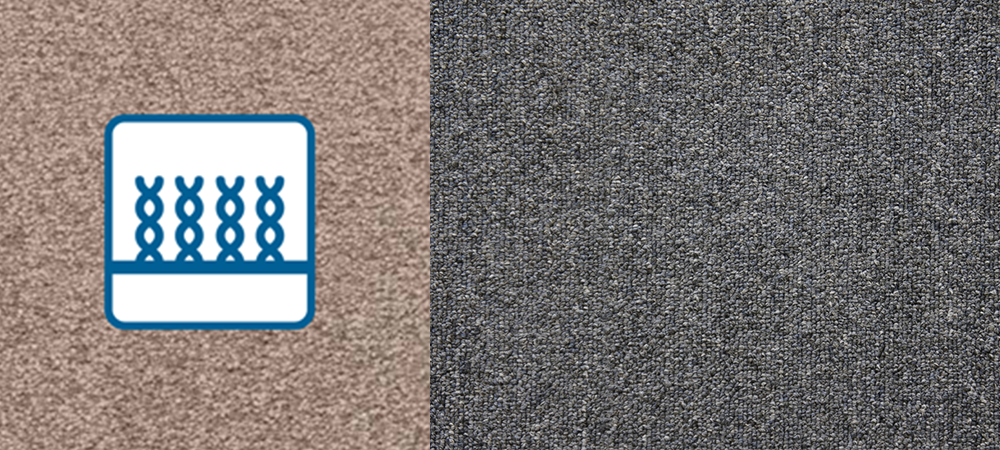
Close up of a wool carpet / Source: Supplied
Ingrid Powell from Choices Flooring, estimates that around 90% of all residential carpets are made from nylon, a durable and stain resistant fibre.
“Wool is the ultimate natural fibre when it comes to carpet whereas nylons and polypropylenes are manmade and have more manufactured properties included in their makeup,” she said.
Nylon fibres are either woven or made from sunken loops, creating a simple and compact texture. Nylon is cost effective for its durability and versatile range of colours and styles, and is highly resistant to abrasion. It is a synthetic fibre however so it is prone to emit off-gas.
Nylon is a durable and versatile synthetic option / Source: Supplied
Olefin fibres have a low absorbency rate. As a positive, this means olefin carpets are stain resistant but on the flip side, olefin is not easily dyed, providing limited style choices. Olefin carpets can be most useful for outdoor areas or spaces prone to spillage or liquid damage. Olefin is non-resilient and it will not regain its shape easily when exposed to weight or high activity areas.
Contact local carpet experts
Colour options
Take a moment to consider the space you intend to carpet as this will influence the style and fabric you choose. With pets or children about, carpets with lower maintenance are preferable and a dark charcoal or coffee coloured carpet will show less of the stains, but in small spaces, dark carpet colours can make the space appear smaller. When paired with white walls, lighter coloured carpets will draw your eyes outwards, giving the appearance of extra space, but can be a lot more difficult to clean or maintain.
Start by considering what mood or effect you wish to create with your carpet. For example, if you wish to add a homely touch to an empty space, you may consider opting for a neutral or warm tones carpet such as greys or soft pinks, to add an inviting allure to a space. A neutral colour carpet will also shift the focus away from the flooring and complement your furnishings. Alternatively, if you wish to open up a small and stuffy space, you might choose a carpet with whites or cool tones such as blues and greens, to make a room feel cooler and brighter.
In the current real estate market, high demand and limited land supply gives homeowners an advantage. Ray White agent Thomas Merriman and Service First Property Group specialists, Andre Pang and Oliver Quach share their responses to common questions asked by Australian homeowners.
When is the right time to sell?
Thomas: “I would advise people thinking about selling to regularly keep up to date with the Auction Clearance rates as they typically act as a ‘canary in the mine’ for property market conditions. If the canary dies, leave, if the rates drop dramatically, pause your campaign.”
Andre: “The right time to sell depends on the vendor’s financial or personal situation. Try to avoid public holidays or long weekends during your marketing campaign, but if you can’t avoid it then add another week to your marketing campaign. My clients ask whether or not they should be selling in the winter as there are typically less properties to compete with. Serious buyers never stop looking and as long as you have the correct marketing campaign in place, they will turn up to your inspection year round.”
What kind of properties are in high demand in the market?
Thomas: “Properties where people can add value, either by knocking down and rebuilding or simply renovating – especially a cosmetic reno or a quick ‘flip’ – are the properties that are in highest demand. The Melbourne trend is toward ‘terrace’ style homes and premium apartments. The idea of city living with the feel of a newly built house is a pretty desirable one, providing you have the budget. Attend the first open-home for a property and you will get an idea.”
What are some things to look for in an agent?
Andre: “There are a few ways to discern between an honest agent and a dishonest one. A genuine agent will give you a realistic appraisal with evidence and research. Lots of agents will inflate sales appraisals so you can hear your dream selling price but when an agent gives you an appraisal, check that it’s backed with comparable sales and recent data. A good agent will also design a marketing campaign tailored to your property’s needs. As everything comes through the Internet these days you don’t need to limit your search to a local agent.”
What are some tips you would give to a homeowner planning to sell?
Thomas: “Buyers aren’t visionaries- they don’t have the creative flair to see past bad curtains and unmown grass, but coming to market can be delayed by weeks if vendors are busy fixing a leak because they’ve replaced the benchtop, cupboards, stools and tapware. All this can be done over a weekend or two and you can hire a professional to get it done with no budget blowouts – but make a list and stick to it.”
Andre: “Prepare your home so buyers can imagine it as their own. Aim to create an emotional attachment with the buyer. It might be a good idea to have a stylist for your property to achieve the desired results. ”
Contact local real estate agents
Here are Andre’s tips to get your property to sell:
Kerb appeal: Make sure there are no weeds and the lawn and plants are trimmed. Attractive pot plants can also add to the appeal.
Lighting: Clean the inside and outside of your windows, turn on all the lights and draw up the blinds and curtains.
Less is more: Less clutter will help the room look bigger so the potential purchaser can imagine their things fitting into your property.
Pleasant scents: Get rid of any smoke or pet odours. Open up your windows, brew coffee or use diffusers to add some homeliness to your property.
Acclimatisation: This is largely weather dependent but if it’s cold turn on the heater and if it’s hot, turn on the air conditioning to create an enjoyable experience.
What’s next for the Sydney and Melbourne property market?
Thomas: “The RBA has lowered interest rates further and have increased the restrictions on loans for investment properties but the thing is, investors don’t set rental prices just as vendors don’t set sale prices. The market will take care of that, demand will always win out and people can only afford what they can afford. Once again, this may be the beginning of the end of the boom market, if this happens.”
Andre Pang: “The market is expected to plateau and move sideways for a number of years. Investors should seek high yields instead of growth at this moment. I also see an increase in studio developments like the ‘Melbourne Quarter’ project in Docklands which offers micro studios ranging between 25-33 sqm. While there is still an undersupply of property, affordability is still a major issue and studio apartments are very normal in other parts of the world, it’s only a matter of time that Sydney and Melbourne will adopt a similar mentality.”
Purchasing a new car isn’t something everyone manages outright. Throw self-employment into the mix, and the challenge can be harder.
Variable income and unpredictability often make securing finance feel out of reach. But that’s not the case. If you’re self-employed or an owner of a micro-business, there are options to secure a car loan that doesn’t break your bank.
Now with times more uncertain than before, it pays to invest and choose wisely. Here’s how you can increase your chances of successful car financing.
One of the most common financing mistakes is falling in love with the car before the loan.
You wouldn’t buy a house without sorting the paperwork, and your vehicle buying strategy should follow the same rule.
If you want to save money, seek pre-approval first and understand how different types of car loans work. This helps you budget, compare and approach the right lender for your needs and is the smartest way to determine what you can afford. Apply this strategy whether you’re shopping new, used or private.
Make sure you:
● Review interest rates, fees, charges and repayment frequency to work costs into your budget
● Prioritise your credit score to confirm your current financial position
● Shop for car financing before you visit car dealerships
Tip: Be careful not to apply for too many loans in a short period of time as this impacts your credit report and may decrease chances of approval.
Research, compare and negotiate
Will you be leasing or buying your car?
The type of loan you choose depends on your business needs. Consider the purpose of your car, budget and whether you need to keep its ownership. Research and compare at least three loans from various lenders before you decide.
If buying outright isn’t for you, leasing enables you to get a new car with low monthly repayments. But it still pays to do your research first to compare and strengthen negotiating power.
Pre-approval of car finance also improves your negotiating influence.
Consider potential tax benefits
Buying a vehicle for business is a great tax advantage.
You may claim your car against business tax with a registered ABN. Generally, leasing means you won’t pay GST.
If you’re GST registered, the tax is charged on the purchase price which you can claim back when you lodge your statements. Depending on the type of car you’re after, see if you’re eligible for the Australian Government’s instant asset write-off. This only applies to new and second-hand cars under $20,000.
Minimise lender risk
There are a few ways to minimise the lender’s risk, which could improve your chances of approval.
Have a substantial deposit
Get your credit score up to scratch
Keep balance sheet to prove business growth, profit and equity
Weigh up features and restrictions
Every contract will have its own set of benefits and loan restrictions.
Before you sign, review the fine print. Sometimes, there are features to fuel savings like additional warranties and Guaranteed Auto Protection (GAP) insurance. Optional extras such as maintenance plans, GPS navigation and car alarm installation may sound good, but verify they’re meeting your needs and not adding to the total costs unnecessarily.
If there’s a chance you’ll pay your loan out early, look for flexible payment options and smaller payout fees like a chattel mortgage. These are favourable for self-employed individuals or tradies.
Buyer Beware:Not all features are what they seem. For example; some extended warranties are only valid if you return to the same dealership for servicing, which could end up costing you more. Remember it’s a car salesman’s job to upsell features, so it’s important to know what you’re really getting and if it’s worth your money.
Whilst it’s always vital to do your own research, a financial advisor provides knowledgeable guidance, so you find the best loan, lender and deal for your industry. These professionals have access to a network of financiers to save you the hassle of negotiating with each. Such savings in time and energy are valuable when you’re self-employed or a small business owner.
Flexibility, simplicity and clarity are the essential ingredients for anyone who is self-employed and looking to apply for car finance. The right loan will assist in the growth of your business, by ensuring access to the transportation you need.
Having a backyard pool is a great way to enjoy the warm weather. All pool owners should be sure that their pool is fenced correctly to ensure the safety of everyone who uses it. Local, state and federal governments have been cracking down on pool safety regulation enforcement. The top way to aid in preventing pool-related injuries is to fence off your pool. This guide discusses some of the guidelines for the fences.
General pool regulations
Some general rules for pool fencing that apply to every state throughout Australia are as follows:
The fence should be made of a durable material to prevent children from being able to manipulate the fence to gain entrance.
The fencing should be well maintained and shouldn’t contain any gaps, damage or holes.
The height of the fence should be at least 1.2m in height, when measured from the outside Boundary fences that are part of the pool setup should be at least 1.8m in height.
The bottom gap in the fence should be 10cm or less from the ground.
The panels shouldn’t have more than a 10-cm gap in between each one of them. This will prevent children from squeezing past the gate.
Pool gates should always open outwards away from the pool area and have to be wholly self-latching and self-closing.
Mount the gate’s latch inside the gate, so that a person must reach over if they want to open the gate. Latches on the outside must be at least 1.5m from the ground.
The pool should not have any objects like trees, furniture, plants, or pool pumps, that can be climbed on to access the pool. These items must be situated at least 90cm from the pool fence, so children cannot use them to climb over the fence.
The walls that comprise the pool fencing must not be able to be accessed from inside the home, unless, in some cases, you do have self-latching doors and child-resistant windows.
An inside pool must be fitted with a self-latching, self-closing door that opens to the outside of the pool.
State by state regulations for the pool
Generalised rules are enforced throughout Australia, but each state has its own regulations and restrictions. The occupants in the home can endure heavy penalties for not following these rules.
A pool using both fencing and the house walls as a barrier / Source: Serenity Pool Co
Queensland pool safety standards
A new pool safety register was introduced in the state a few years ago. This register lists every pool in the state and has copies of every certificate awarded for pool safety compliance, and lists all of the people licensed to carry out pool inspections. If you a pool, you should be registered. If you’re not, you could be liable to pay a fine of $2,000.
From December 1st 2010, any rented or lived in house in Queensland needs to have a certificate for pool safety.
Key safety standards
These standards apply to all pools, both inside or outside, that are more than 30cm deep when full. Before any pool is filled with water, the fencing needs to be approved. If any part of the property is inside the perimeter of the pool fencing, i.e. if you can access the pool directly from the house, you will need to install fencing stopping this. For indoor pools, child safety doors need to be added to access it.
If a new pool is currently under construction, it will need approval before development starts. Whilst the pool is under construction, temporary fencing is allowed for up to three months. After this period has elapsed, however, permanent fencing needs to be put in place.
Contact local swimming pool experts
WA pool safety standards
The specific pool fencing regulations are slightly different depending on when your pool was built. If your pool was constructed after 5 November 2001, you need to make sure that pool fencing properly restricts access to the pool. Some fencing will have fencing all around the perimeter with a gate leading into it. However, it can still use one of the house walls as one side of the fencing. If the wall has any windows, they have to be correctly locked so that children can’t access the pools.
If your pool was built before 4 November 2001, it needs to have a fence around it that is well maintained. If the yard has a boundary fence, that can act as part of the fence. The gate to the pool must close and latch on its own, and it should open outwards and away from the pool. There also has to be a fence constructed to separate the pool from the house, and if any doors or windows open to the pool, they have to follow the Australian Standards as well.
Pools built after 5 November 2001 must not include a door as part of the barrier unless the door is permanently fixed using a device other than a key locking mechanism. Pools built after 1st May 2016 must not use a door as a part of the barrier at all.
If your pool was approved for construction before 30 June 1992, the WA Government suggests that you have your fencing updated.
VIC pool safety standards
In 2010, updates were made to the Building Code of Australia in regards to pool fencing installation. In general, any new swimming pool in the area must have a four-sided fence. In other words, you must fence in your pool, including any spas you have. Any water-based area with more than 300mm when filled must be fenced.
As of December 2019, you need to complete the following steps to have a private pool in Victoria:
Register your pool with your local council
Organise a registered inspector to inspect your pool barrier
Rectify any identified issues
Submit to council a certificate of compliance
Pool fencing can have small gaps as long as they are not larger than regulation size / Source: Cabarita Pools
NSW pool safety standards
All pools built after July 2010 must be surrounded by a fence that completely separates the pool from the house. For pools built before July 2010, this regulation also applies but some exemptions could be made for very small properties, very large properties or waterfront properties.
If you have a door that is part of a pool barrier you must ensure that it closes with manual force, self latches and does not open toward the pool.
If an old fence or barrier is rebuilt then the most current restrictions apply. Therefore, any previous exemptions placed on the pool when it was built will cease.
Maintaining your pool fencing
Once in place, you need to maintain it. This is a requirement that you, as the owner, must meet. This means you cannot have gaps or areas that are damaged that could allow a child to get through. Additionally, all gates and gate latches must operate appropriately at all times. They should have a self-closing and self-latching design on them, and the gates must open outwards. Additionally, you cannot access your pool directly from the house. If you fail to maintain these requirements, there are very hefty fees involved. In some cases, the penalties can be as much as $5,000 or more.
Other safety measures
While pool fencing is a must, if you want to ensure the safety of your children, there are other additional measures that you can utilize as well. Swimming pool covers, as well as pool alarms, may prove to be essential for the complete safety and protection of your family. Homeowners with a swimming pool should also invest in pool safety equipment. And once the time to enjoy the pool comes, don’t leave the kids without adult supervision.
While swimming pools definitely are a lot of fun, you have to be aware of the risks they pose for small kids as well. Drowning accidents can be prevented if you make sure that your pool protection is up to code. Stay safe and enjoy your family pool time to the fullest.