The highly anticipated wedding of Prince Harry and Meghan Markle is estimated to have cost the Royal Family a staggering $58.3 million. Whilst it’s unlikely you have the budget of the Windsors, you can still make your wedding a royal success through some careful planning and research.
Here, we’ll breakdown the average cost of a wedding in Australia, and look at what’s trending for those looking to tie the knot.
Total wedding cost
The average wedding cost in Australia is around $51,000. The average cost of wedding venue hire is around $13,000, making it the highest cost in the overall budget. Finding the wedding venue is one of the first steps in the wedding planning process and due to popular venues being booked up far in advance, should be locked in around 12-18 months prior to the date of the ceremony.
Venue hire typically is the highest cost in the overall wedding budget / Source: Facial Beauty
Wedding dress
The next biggest expenditure is of course the dress, coming in at an average cost of $5,180. Many bride’s are now taking Ms. Markle’s lead and opting for two dresses; changing out of their traditional ball gown style dress for the ceremony to a more fun cocktail style dress for the reception. Brides are also going for less traditional dresses, coloured dresses such as, blush pink, mauve and rose gold being popular choices. Dresses with statement design features such as pockets, large bows and middle splits are also big in 2021.
Catering
The average Aussie wedding has 96 guests, with $9,000 being the typical amount spent on food and alcohol. Depending on your personal tastes and theme of your wedding, there are many different catering options you can choose from. Aside from the traditional three course meal, food stations serving quick bites like sushi, pizza, tacos and mini burgers are becoming increasingly popular, these work great if you have a large guest list and want to achieve a buzzy, social atmosphere at your reception.
Other popular trends include desert and cocktail bar setups where guests can make their own cocktails and lolly goody-bags. For country style weddings eco-menus are very in vogue, focusing on seasonal, organic and locally produced food served family style.
Photography
Wedding photographers typically spend around 8 hours capturing all of the magical moments from the day. Hiring a reputable photographer can cost around $2,600 on average, it’s important to hire a photographer that specialises in the style of imagery that you want to achieve, after all these are memories that you will want to hold onto forever. Natural and candid looking photos are popular in 2021.
Natural, candid wedding photography is the most popular style / Source: Little Glimpses
Hair & makeup
Brides typically spend 60-90 minutes getting ‘wedding-ready’ with the help of a professional hair and makeup artist. In 2017 Pinterest recorded a 1247% increase in searches for bridal ‘messy updo’ hairstyles, indicating that Australian brides are preferring a more natural, romantic look than in years gone by. Dramatic eyelashes and glossy lips are the look brides want in 2021.
Entertainment
The average cost of hiring a DJ or wedding band is around $1,600, with Ed Sheeran’s ‘Thinking out loud’ being the top first dance song choice for Aussie newlyweds. Other popular entertainment add-ons include photo booths, magicians and live caricaturists.
Transport
Vintage, classic cars like Rolls Royce and Bentley are the most choice of wedding transportation. Costs for wedding car hire is typically around the $830 mark but is dependent on the amount of cars needed in the fleet.
Contact local wedding planners
Flowers
2021 is the year of wearable florals with delicate, jewellry-like floral headpieces being very on trend. Seasonal bouquets made up of wild arrangements of bold colours and greenery are very popular, for that just picked fresh from the garden look. Hanging floral arrangements and floral ceremony arches are also in demand in 2021. Couples spend on average $1,500 on wedding flowers, however this number can significantly increase for elaborate, large scale floral interior decorations.
Whatever your budget is Oneflare have access to expert wedding service providers, from wedding planners, photographers, celebrants, hair and makeup artists, florists, DJs and transport specialists.
Wedding speeches give family members and friends the opportunity to share their thoughts on the couple. Speakers often narrate interesting and humorous stories about the couple’s relationship and lighten the environment at the wedding. These speeches are an important aspect of the wedding format and most guests look forward to it.
When you plan your wedding, you need to plan the order of wedding speeches as well. You need to give the speakers enough time to say what they want to. You also need to plan the order carefully to ensure no one feels slighted and your guests are entertained rather than bored. We have some tips and suggestions to help you come up with the right plan.
You can choose to follow the traditional order of speeches for your wedding, or customise it to suit you / Source: Marry Us Gary
Traditional wedding speech order
This traditional wedding order is safe, predictable, and easy to implement. You don’t need to think about where the speeches and toasts will fit in because everyone speaks at the right time and for a good reason. Traditional wedding speech order includes:
The Master of Ceremonies – The MC conducts and directs all the entertainment during the wedding reception so they’re usually the first to speak. They welcome everyone to the reception and introduce themselves to the guests. They then introduce the bridal party before introducing the new bride and groom with enthusiasm and happiness. Based on the order of your wedding, the MC will introduce the father of the bride and prompt him to speak.
The father of the bride – The father of the bride takes up the host’s position and speaks just before dinner is set to start and when everyone has settled into their seats. He will introduce the groom, his family, welcome the guests and talk about his daughter and her partner, before offering a toast. After this speech is over, the food is served and guests can indulge in conversation.
The groom – The groom is next in line and his speech comes after everyone has finished eating dinner. The groom’s speech is usually a response to the father’s speech. He can thank the father, the hosts and the guests. Then say a few words about his new bride and toast to the bridesmaids and groomsmen.
Best man – At this point, the best man responds to the toast from the groom on behalf of the bridal party. He then toasts to the bride’s parents.
Bride’s father – The bride’s father will speak again in response to the best man and then toast to the groom’s parents and family. You can include anyone you feel is important to the groom in this toast.
Response from the groom’s parents – The groom’s father will respond to the bride’s father’s toast with a few words of his own and a small speech about his son and new daughter in law.
After this, the MC can read messages and letters sent by people who couldn’t be present at the wedding but wanted their voices to be heard. You can even create a presentation and show these messages instead of reading them.
Non-traditional wedding speech order
You don’t have to stick with tradition if you don’t want to. For example, if the bride’s father can’t speak or the bridesmaid wants to speak, you can alter the format of the event accordingly. Here’s what you can do:
Choose the MC – You don’t need to hire an MC but it’s a good idea to have someone organise the events of the reception and keep things on track. You can choose a friend or family member to act as an MC for the event. Just ensure they have a welcoming personality and can comfortably communicate with the crowd.
Choose the host speaker – The host speaker doesn’t always have to be the bride’s father. It can be the bride’s mother, the groom’s father or anyone the bride considers an important part of her family. The host speaker can thank the guests, the families of the bride and groom, the bridesmaids and groomsmen, and share some interesting stories about the couple.
The bride and groom – At this point, both the bride and the groom can speak about each other, about their relationship, their families and their friends. They can toast to each other and show appreciation for each other through their speech. They can also toast their parents and those who supported them throughout their relationship.
Response – The people who were thanked during the speech can respond after the bride and groom have finished speaking. This can also be the closing speech where the MC thanks everyone for coming to the wedding and supporting the couple.
Contact local wedding planners
Things to keep in mind
There are a number of things you should keep in mind before you plan the speaking order and make the needed arrangements.
Verify that people actually want to speak – Some people are uncomfortable speaking to large crowds and will only speak at your wedding if they’re forced to. Try to avoid this by asking people if they’re willing to speak at your wedding before you make your plans.
Hire a professional MC – We mentioned before that you don’t need to hire a professional MC to conduct the event but there are some distinct advantages to taking that step. A professional MC understands how to keep audiences engaged with humour and wit. They’ll also help you arrange the order and prepare the speeches if needed.
Keep room for some flexibility – These speeches can sometimes become spontaneous conversations, so it’s a good idea to ensure the order is flexible and allows people to interact. This is especially true for casual weddings where everyone knows one another.
Set a time – Allot some time for every speech and let the speakers know. This will help them prepare the speech and ensure it doesn’t exceed the time limit.
Consider your entire wedding format carefully and determine where you want to fit the toasts and wedding speeches in. You can also ask a professional wedding planner or people with experience with weddings to help you plan the format.
Worried you’re missing out on a bigger refund? Each year, many taxpayers miss out on deductions that may be available to claim and, on average, may leave up to $525.50 on the table.
As of June 2025, lodging late could result in a $330 fine every 28 days past the deadline. If you’re more than five intervals (or 140 days) late, the fine can reach the maximum of $1,650 per return, based on the Australian Tax Office’s (ATO) updated penalty table.
It all comes down to preparation before the October cutoff. By getting your tax documents in order now, you’ll be better placed to claim eligible deductions, avoid costly mistakes (where applicable), and lodge confidently.
To help you nail it this year, let’s look at how to file and track your tax return online, which records the ATO requires, and how to streamline the entire process.
Disclaimer:The information provided in this article is general in nature and does not constitute tax advice. Always consult a qualified tax professional about your specific circumstances before making decisions.
Key tax dates
According to the ATO website, the Australian financial year runs from 1 July to 30 June, with tax returns due by 31 October for individuals filing themselves. When a due date falls on a Saturday, Sunday, or public holiday, you can lodge or pay on the next business day.
Date
Significance
30 June
End of financial year
1 July
Tax return lodgment period begins
31 October
Standard filing deadline for individual tax returns
15 May (following year)
Extended filing deadline for those using registered tax agents
If you use a registered tax agent or accountant to complete your tax return, you’ll be eligible for an extended deadline as late as 15 May of the following year. To apply for a lodgement deferral, the ATO stipulates that you must sign up with a tax agent before 31 October.
How to complete your tax return online
Step 1: Gather your paperwork
Organizing your tax documents is the first step, regardless of whether you plan to file them yourself or have an accountant handle them.
To lodge your tax return easily, log in to your myGov account linked to the ATO website and open myTax. MyTax is available 24/7 and is usually pre-filled with information from your employers, banks, government agencies, health funds, and other providers.
All you need to do is verify the details and upload the supporting documents. Before you upload any documents to verify your claims, the ATO recommends gathering three key types of paperwork: income documents, deduction documents, and medical and health insurance documents.
Income documents
Income documents list what you’ve earned in the financial year. The ATO uses them to calculate your tax or refund.
Although some information may be automatically reported, it is your responsibility to ensure all income is correctly declared.
Some income documents include:
Payment summaries – Records of income from employers, superannuation funds, or government agencies such as Centrelink or the Department of Veterans’ Affairs
Bank statements – Records showing interest earned from savings accounts, term deposits, or offset accounts during the financial year
Investment statements – Dividend notices from shares, distribution statements from managed funds or unit trusts, and annual investment summaries
Share trading records – Buy and sell confirmations from your stockbroker or online trading platform for any shares purchased or sold during the fiscal year
Rental property records – Income statements from your property manager or tenancy records if you own investment properties, including any capital gains from sales
Foreign income details – Records of overseas wages, foreign pensions, or international investment income that must be declared in Australia.
Deduction documents
Claiming deductions may reduce your taxable income, but the ATO requires proper documentation. Without evidence, the ATO may deny deductions and potentially apply penalties.
Here are some examples of potential deductions. For the complete list, visit the ATO website.
Work-related expense receipts – Records for items purchased specifically for your job, such as uniforms, tools, or safety equipment you’ve paid for yourself
Work-from-home expenses – Records of home office costs like electricity bills, internet expenses, phone bills, office supplies, and equipment you use for work
Vehicle expense records – Logbooks tracking work-related travel, fuel receipts, registration, insurance, and maintenance costs for business use of your car
Self-education expenses – Course fees, textbooks, and study materials for work-related training that improve your skills or qualifications in your current job
Spouse’s income and expenses – If you have a spouse, their income and expense details may be needed to calculate your entitlements correctly.
Medical and health insurance documents
If you have private health insurance, declaring this with the right documentation could save you serious money. Without proper cover or the correct paperwork, the Medicare levy surcharge of up to 1.5% of your income on top of the standard 2% Medicare levy may apply.
Private Health Insurance Statement – Annual statement from your health insurer showing cover level, premiums paid, and government rebates received
Medicare Entitlement Statement – Certificate from Services Australia for those not eligible for Medicare benefits to claim levy exemption
Dependent Details – Information for dependents on your policy, as family thresholds and additional surcharges may apply
Medical expense receipts – Records of out-of-pocket costs that may qualify for the medical expenses tax offset
While the ATO pre-fills most health insurance details, it is your responsibility to double-check them against your health fund’s year-end statement. Remember, an error here could mean paying the Medicare levy surcharge.
Step 2: Claim your tax deductions
Time to hunt down every legitimate deduction you are eligible to claim. Before you start, make sure each expense meets these criteria:
Real – You must have paid for it, with your own money and not been reimbursed by your employer.
Recorded – You must have proper evidence like receipts, invoices, or bank statements to prove the expense.
These deductions may be claimed in your tax return form under the work-related expenses.
Some occupations and industries may have specific deductions available. For instance, teachers, tradies, healthcare workers, and other professionals often have unique work-related expenses they may claim, and you should consider if you meet any criteria.
Step 2.1: Use myDeductions
For employees and solo traders claiming work-related expenses, you may also download the ATO’s free myDeductions tool and start logging expenses as they happen. Using this can help you record work-related expenses, store photos of receipts, log charitable donations, and track car trips for work purposes throughout the year.
If you’re a small business, partnership, or company with an ABN, you’ll need proper accounting software or professional bookkeeping to manage your deductions.
If you’re unsure about eligibility or record-keeping requirements, seek professional tax advice before lodging.
Step 3: Track your tax return
Once you’ve gathered your documents and identified your deductions, it’s time to lodge your return and keep tabs on its progress.
Lodge your return: Submit your tax return through myTax via your myGov account. The system will guide you through each section and perform automatic calculations as you go.
Check your myGov inbox: You’ll receive a tax receipt confirming your submission after lodging. Keep an eye on your myGov inbox for your Notice of Assessment, which shows your final tax calculation and any refund or debt owing.
Track your refund: Most refunds are processed within two weeks if you lodge online and have no issues with your return. You can check the status anytime through myGov.
Skip the stress and book an expert
Getting your tax return right involves juggling deadlines, tracking documents, understanding complex deduction rules, and staying ATO-compliant. While it’s possible to do it yourself, making one mistake could cost you hundreds in missed deductions or penalties.
That’s why it often pays to book a registered tax accountant through Oneflare to get expert help. Simply post your tax preparation task and receive competitive quotes from individuals ready to help you navigate tax season successfully.
Remember – if you are engaging someone to help you with your Taxes, you should always verify that they have the appropriate qualifications.
Every home has a designated kitchen space to prepare, store and consume food but as we replenish the fridge and restock the pantry, our kitchen space can quickly get cluttered, bursting at the seams with stored ingredients, condiments and utensils. Rediscover the luxury of extra space and declutter your pantry and cabinets with our simple kitchen storage solutions that will refresh your existing space without a costly reno. To give you the best head start on organising your kitchen, we share our top kitchen storage solutions.
Make your kitchen drawers more functional
Most people attempt to organise their kitchen drawers so that everything has a place to go and is easy to find, but usually, there isn’t enough room and everything ends up piled in the drawer haphazardly. Try these kitchen drawer storage tips to de-clutter your drawers:
More space for silverware
Install two shallow drawers in place of one. Place plastic cutlery inserts in both drawers and now you have twice the storage space for silverware as you did before.
Organise your junk drawer
Throwing all your odds and ends in one drawer really isn’t functional. Digging through a drawer desperately trying to find something is the exact opposite of organised. Solve this problem by placing dividers in your drawers to separate off sections. This way, you can categorise your items in the junk drawer and make them easier to find.
Using drawers for pots, pans and dishes
If you have plenty of drawers, why not use some of them to store your pots, pans and dishes? It’s much easier to separate and access these items when they are in drawers instead of cabinets.
Make your kitchen shelves more functional
Kitchen cabinets have the same problem that kitchen drawers have. If they aren’t organised, it’s hard to find anything in them. Make the most of your kitchen cabinet space by following these tips.
Increase storage by installing shelves over island benches / Source: In Design International
Slide-out shelves
Hire a contractor to install slide-out shelves in your kitchen cabinets. Slide-out shelves significantly increase the usable space in your kitchen cabinets and allow you to organise better.
Wire racks
Place wire racks in your cabinets to increase your storage space. Wire racks work nearly as well as slide-out shelves and are a whole lot cheaper.
Hooks
Screw hooks into the inside of your cabinet drawers to hang commonly used small items, such as bottle openers and can openers.
Drawers for corner cabinets
It takes a lot of effort to reach all areas of a cabinet. This is okay for most people, perhaps; but those with limited mobility will have a hard time reaching out for several items. However, you can easily overcome this drawback by installing corner drawers. The sizes or depths of the drawers can be customised depending on the sizes of stuff you’re going to store in them. You can store small appliances and utensils, or bigger stuff such as pans and pots. Additionally, corner drawers should be designed to have inwardly folding fronts for ergonomic reasons.
Install additional cabinets
One way to take advantage of overhead cupboard height in your kitchen is to place additional shelving or cabinets that extend all the way up to the ceiling. This provides extra storage for items used less frequently or bulky, like large serving platters or seasonal items like holiday decor.
Lazy Susan
It can be really tiring to keep reaching and fumbling blindly for the thing you need. Not to mention, it can be a total waste of time as well. To avoid this from happening again, you can ask for a rotating, circular tray most popularly known as the Lazy Susan to be installed. They are mostly seen on round tables but can also be installed in cabinets for easy accessibility. All you need to do is to put your kitchen necessities on the tray and by the next time you need them, all you do is to turn the Lazy Susan until the item you need is within your reach. How easy is that?
Contact local kitchen experts
Pull-out storage space
Pull-out storage allows you to use existing space, no matter how small or confined it might be. You can install pull-out storage features in corners, cabinets, under the sink and in other places where you can access them quickly and easily without having to bend or reach.
Pull-out storage generally consists of drawers, trays or shelves that can be deep enough to hold large pots and pans or shallow enough to hold cutlery and linens. Pull-out shelves are especially helpful if its hard for you to reach all the way to the back of your cabinets.
Pull-out storage doesn’t have to be constructed into your kitchen walls, shelves and cabinets. It can also be added on by using pre-built, inexpensive units. For example, you can easily install pull-out crockery racks or spice racks in your pantry. Likewise, pull-out wire baskets are an excellent choice for storing fruits and vegetables or for storing cleaning supplies in your pantry or underneath your sink.
Swing-out bins
If you are still looking for a few options for space under the sink, consider using a swing-out bin. When you open the door to the cabinet, the swing-out bin comes out with it, making it very convenient for you to access. It also allows you to hide your bin from view in the kitchen. You may want to find a way to store all of your plastic grocery bags. An option for this is to install a holder on the door that is designed specifically for these bags. This is a great way to keep them within reach without actually having to have a mess on your hands.
Adding a pantry
Having a functional and versatile pantry storage system is a great way to de-clutter a kitchen for a more organised feel. If you have always wanted a pantry of your dreams, here are some of the options you should consider for your kitchen.
Placing appliances in the pantry frees up bench space in the kitchen / Source: Kitchen Perfection
Drawers and baskets
An easy way to add quick and attractive storage to small spaces in both apartments and homes is by installing drawers and baskets. Similar items can be grouped together for a streamlined system, and they are also easier to locate. Flours, spices and pasta are suddenly within reach and in the same spot for an added convenience. Plus, baskets and drawers are temporary options. They’re easy to install and remove, so even renters can use them. They’re also versatile, so no matter the size or shape of the pantry, there are baskets and drawers that will suit it. One thing to remember with drawers is that you need to account for the full opening range and weight of the objects within to maintain complete functionality and to keep the area safe.
Two kinds of pantry shelves
Sometimes, tight spaces or limited mobility make it hard to reach the back of the shelves. In these cases, it’s best to install either pull out or swing out pantry shelves.
Swing-out shelves swing out to the left and right like a door. This opens up the entire pantry for the clearest view of all your goods, but it does use a greater amount of space in your kitchen.
All the accessories
If organisation is your ultimate goal, there are dozens of helpful pantry accessories that can make your life simpler. Modular storage is a great example and makes short work of neat stacking and frees up the greatest possible space in packed pantries.
In your bathroom, the amount of storage space you need is surprising. When renovating a bathroom or building a new one, be sure to address the storage space to ensure that you have enough in the future. This will make the bathroom much easier to navigate as well as more fun. The following are solutions for getting the most out of your bathroom storage.
Plan
Prior to the renovation, utilise the planning stage to design your storage. Consider the items you wish to keep in the bathroom. Although keeping towels and electrical items handy is convenient, make sure the correct ventilation exists so that moisture does not have detrimental effects. It is unsafe to allow electrical components to corrode and towels to form mildew.
Take measurements
Before purchasing bathroom storage, measure your bathroom adequately. Make a small blueprint of your bathroom taking the consideration where your tub sink and toilet is placed. Also, take into consideration how tall your walls are. Storage units don’t have to be floor units, they can be attached to the wall as well. Once you have done this, decide whether you want freestanding or portable storage. Portable storage can be moved around the bathroom when you find it it’s no longer useful in one area. However, built-in storage cannot be moved it becomes a permanent part of the bathroom structure.
Be creative when placing your storage units. Do not only use vanities and medicine cabinets. Instead, utilise the space in your walls and recessed cabinets which will provide additional room without decreasing the floor space of your bathroom. Additionally, placing recessed nooks around the shower will really open up your bathroom.
Use fixtures
Use vanities with many drawers and shelving units with specialised trays that can be opened for quick access. These fixtures are perfect for applying cleansers at night and cosmetics in the morning. There are even modular units that can be customised to your exact requirements, so you remain organised.
Keep an open mindset
If you are lucky enough to have a large bathroom, utilise different forms of storage for visual interest and to create depth. For instance, combining a vanity, recessed cabinets, wall shelving and baskets will open up your bathroom.
Utilise temporary storage
For those who cannot renovate the bathroom, there are additional temporary storage options that can be implemented. Corner shelving units, regular shelving and hanging shelves are excellent temporary storage choices. Additionally, baskets, boxes and a variety of other containers provide exceptional storage options that can be used anywhere and are available in a variety of colours and styles.
Using storage to match your accessories
If you have a lot of plain accessories you might want to try decorative hooks. These can be installed directly into the wall or hung over the bathroom door on the bar.
Contact local bathroom experts
Corner shelves
Corner shelves come with and without doors and may be used to store things such as personal items and linen.
Linen cupboards
If you have enough room in your bathroom to add a 5-foot linen cupboard this might be ideal. Not only can you store most of the things your bathroom in a living covered, but it also makes the bathroom look more attractive.
Floating shelves
Floating shelves are not enclosed, therefore making the perfect opportunity to add character and style to your bathroom. These are the perfect vessel for towels or everyday washing products and can add a unique charm to the room.
Maximise cabinet, shelf and drawers space / Source: KTR Creations
Pull-out storage
Pull-out storage has been long-used in kitchens – it also works really well in bathrooms. This type of storage is considered hidden and it definitely saves space – it can be built into almost any narrow space. Since most bathroom products are quite small, it provides a perfect and cosy spot for your essentials such as; bottles of nail polish, moisturiser and makeup. Adequate storage is crucial to the success of any room. Whether you would prefer to have your items and belongings hidden away, or you want to make a statement, these bathroom storage ideas have something for everyone. Feeling inspired to make some storage adjustments? Oneflare can connect you to a professional bathroom renovator in your area to bring your vision to life. Receiving up to three quotes on your job request will also mean you’re able to keep within your budget or get a better idea on what the project may realistically cost.
When you are deciding to build a house or any other structure; the most important question that comes to the mind is, what type of grass should I install? There are many kinds of grass that you can use, like sod grass or artificial turf.
To decide which is the best option for you, you should consider whether to go for sod or artificial turf. The qualities of the two must be known and especially the characteristic that makes them different from each other.
Qualities of artificial turf
The artificial turf is not synthetic grass that has a texture that is identical to the natural grass. It is made of man-made or synthetic fibres which are most famously used in sports arenas. It was first seen in a stadium in Huston, Texas.
When installing a lawn you have a choice between artificial or natural turf / Source: Protek Design
1. The height is always the same
As this grass is synthetically made; the height always remains the same. The length of it depends on the demand of the customer. It is the same from the time of making, throughout the installation process and even afterwards. It never changes in height.
2. The grass can be moved easily
Unlike other grass types which can’t be moved from one place to the other; artificial turf can be lifted or removed easily. The easy removal makes artificial turn ideal for maintenance of either the turf or the ground on which the turf is laid. Then it can be put back on without any hindrances.
3. Colour is consistent
As the artificial grass is not disturbed by natural elements in nature like air, water and sunlight; the polyethylene grass never changes in colour. It remains the same throughout the lifetime. You have the choice of selecting any tints and shades of green, and the manufacturer can make it for you
4. Low maintenance
Artificial turf requires little maintenance and isn’t reliant on water, air or sunlight to grow. All you need to maintain synthetic grass is sweeping away the debris on it with the help of different kinds of rakes.
Attributes of sod grass
The first choice and most popular real grass option is the sod grass. It is actually a grass but manufactured and then installed on the ground. Sod grass has amazing abilities to grow because it has all the attributes of the typical grass but is enhanced.
1. Appearance is Identical
All of the sod grass that is manufactured is of the same appearance. If you grow the grass by seed, the grass may grow unevenly or not at all through seeds. An advantage of all varieties of sod grass is that they are identical.
2. The texture is the same
The different types of sod that you can purchase have a wide range of textures and colours. They range from full dark green to lighter shades. But the type that you will order will have the same texture and colour of all the bulk order. The density of the grass can be thick to less dense.
3. Appropriate quantity of fertilizers
All types of sod grass need a specific amount of fertilizer. The application of fertilizer is necessary when the soil is to be prepared for the installation. Immediately after the establishment, the sod needs it also. But quarterly or yearly fertilizer is needed for the rest of the sod’s lifetime.
4. Equal Growth Rate
When the sod is mowed; it re-grows at the same rate. It is essential to mow it properly with sharp blades and cutting at the appropriate height. The only reason for the disruption in the height is if the grass has a disease. If you’re not a green thumb, consider hiring a lawn mowing service to get your grass looking cut and clean.
There are other factors that you have to consider when selecting between the artificial turf and sod grass. Both the grasses indeed have some qualities that make you confused. Ultimately, the decision is yours! You should consider basing it on your ability to maintain the grass and your vision for your lawn.
1. Sturdiness over time
The sod grass is sturdier than artificial grass. If one blade of artificial grass is broken or pulls out of the base, it can’t be repaired, and the whole turf has to be replaced. Replacing and repairing sod grass is easier, but the rates can vary.
2. Impact on the environment
A small area of sod grass has the ability to generate a high amount of oxygen. It can also keep the environment cooler as compared to areas where other kinds of grass are seeded. The artificial turf is produced by using human-made materials which need more energy and resources.
How much will you need to budget?
You must think that sod grass needs more money than artificial grass. But that’s not the case; sod grass needs ordinary soil to be installed. The ground for artificial turf has to be made accordingly, which can cost you more than the other.
Contact local gardeners
Which will last longer?
Although both sod and artificial turf will last long is depends on how well you maintain your grass. Without it, neither if the two can survive. Sod grass has the capability to repair itself; therefore, it can last longer than the artificial turf.
Wrap up
Turf and sod both have their pros and cons. Choice of one over the other mostly depends on the purpose of use. The location, along with personal preference, also influences the decision. At specific areas or climates, turf would be better suited than sod and vice versa. Deliberation on the features of both would help make a better and more suitable choice.
Windows are definitely an item to take care of on your home construction or renovation list, and sooner or later, you will need to choose between single and double glazed windows. It is common knowledge that the latter insulates the home better, although it comes at a higher price. If you are wondering whether it is really worth investing in double glazed windows, the points listed below will help you make the right choice.
How do they work?
The reason that double glazed windows provide good insulation is the trapped air in the space maintained between the two glass panes. This air works in three ways, with the first being to reduce the transfer of hot or cold air between the outdoors and indoors of the home. It also prevents condensation within the home when the outdoor temperature is much colder than that inside. Further, double glazed windows keep all external noise out, thereby making your home more peaceful to live in.
It’s important to note that double glazed windows only provide insulation from hot air temperatures and not from radiant heat. This means that they are not capable of preventing the heat of the sun’s rays from entering your home. If you want to achieve this, you need to get your single or double glazed windows tinted with special UV light-blocking film.
Energy efficiency: Double glazing adds to your home’s insulation, which in turn reduces your electricity accounts.
Theyreduce noise: This is done by reducing sound transmission via your windows by up to 70 per cent.
Ability to use a wider variety of window coverings: Glazed windows make it possible for you to use any type of window covering, as there is no need to prevent heat and cold from entering the home. You can opt for any covering, ranging from blinds and lightweight curtains to no blinds at all for those who want to keep their views unblocked.
Condensation reduction: double glazing lowers the condensation that usually forms on the interior of your window.
Improvedsecurity: Security is enhanced as denser glass is used with the conversion to double glazing. There is also an additional pane, which in turn, boosts safety. You can opt to improve security even further with a special glass that has been laminated.
Style and colour choices
Another great benefit is the fact that with these windows you have a variety of options that you can choose from. They are available in many styles including awning, casement, tilt and slide, and fixed.
Double glazed options for your doors
Double glazing is also a great option for glass doors. Double glazed front doors come with a range of options. From single doors and double doors to French doors, there are a variety of stylized doors for you to choose from. Another benefit of opting for a double glazed door is that they are available in traditional as well as modern styles enabling you to select a front door that fits in with the general theme of the rest of your home.
Contact local window experts
Protective-coated windows
An alternative to double glazed windows is having protective-coated windows. Additionally, you can have a protective coating applied to you double glazed windows for extra insulation. This special coating blocks UV rays and heat to help keep your home cool in the summer, without having to kick on the air conditioner. The protective coating also keeps the heat from escaping your home during the winter so that you can keep your home warm without having to blast the heater 24/7.
There are two main types of special coatings that are applied to protective-coated windows, which are liquid coatings and e-glass coatings. Liquid coatings utilise nano-technology to make a virtually invisible but extremely durable coating that can be applied to any window.
The big advantage of protective coatings is that they can be applied to your existing windows, so you won’t have to spend money buying new glass.
E-glass protective coatings are special coatings that reflect UV rays and heat. Soft coat and hard coat e-glass protective coatings are available. Soft coats can only be used on double-glazed windows. Hard coats can be used on single or double-glazed windows.
The disadvantage to e-glass protective coated windows is that the coating has to be applied at the factory, so you will either have to purchase new window glass or remove your existing windows and send them to the factory to be coated.
Double glazing is a great option for glass doors / Source: S.F.D Caringbah
The price of double glazed windows
With these benefits, though, comes the cost. Most people compare the price of double glazed windows to regular windows and think that the overall cost is too high. Although the initial installation is pricey, double glazed windows save you money over time because of their energy efficiency. The insulation keeps the warm/cool air inside during the colder/warmer months, which in turn allows you to use your heater and air conditioner less. With electricity bills only growing larger and larger, anything that you can do to stem the tide is worth it in the grand scheme of things. It’s much better to pay a little more now for double glazed windows than pay for your choice in the years to come if you decide not to install them.
Believe it or not, double glazed windows actually cover their own cost pretty quickly and not just where your energy bill is concerned. With double glazed windows, you won’t need heavy curtains (which are definitely expensive). You can opt for a lighter window treatment instead. Whatever your window needs are, double glazed windows are a sensible option for the overall cost and energy efficiency of your home.
A coffee table isn’t just a place to keep newspapers and remote controls. Instead, it forms the very heart of your living room. It defines the ambience of the room and lends a definitive character to it. An ideal coffee table must strike a balance between functionality and aesthetics. At the same time, it must complement the general decor of the living room and blend in with other elements. Coffee tables are available in different shapes, sizes, designs and materials. The key is to find a table that adds to the beauty of your living room.
How and when did coffee tables become popular?
Coffee tables originally emerged in the mid-19th century. They become popular commodities in middle-class households by the 20th century due to the growth of industrialization and mass production. As their popularity grew, new materials like chrome, acrylic and stainless steel were used. During the emergence of the Art Nouveau movement, coffee tables were usually clean and simple. This design gradually gave way to more geometric cuts during the Art Deco phase. Now, coffee tables are produced from inexpensive raw material, like pine wood. In fact, one can easily find replicas of classic vintage coffee table designs at regular furniture shops.
How to choose the perfect coffee table
While looking for a coffee table, what features must you look for? Ideally, your choice must be guided by two central concerns – the general decor of your living room and the current trends in coffee table designs. Remember the following pointers.
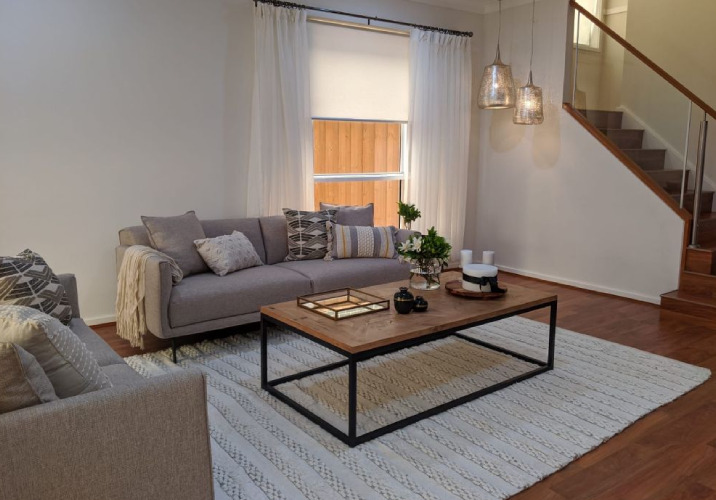
Coffee tables are a great addition to any living area / Source: DK Lifestyles
Consider use first
Before you commit to any specific type of coffee table, think about the ways in which you will use what you have. If you will be using it to hold a remote control or drink, you need something different than if you are adding this piece as a way to add style to your space. You may want to use it for storage, too, such as for storing magazines or batteries. In some cases, this little table can even work as secondary seating for the room. If you are looking for a coffee table for entertainment benefits like this, you need something that has features to make it comfortable.
Sizing matters
Before you purchase a coffee table, it is important to have an idea of the amount of room you will have in the space. Determine the size of the room overall. This will help you determine what type of material is best for your space. If the room is very large, then having a big, solid coffee table will work well. On the other hand, if the room is smaller or filled with a lot of belongings, choosing something that is streamlined and thinner can be a better option. You may want to consider glass, too, since this will create the illusion of more space.
Fitting well into your space
Keep in mind that when you choose a new coffee table for a room, it needs to fit well into that space. Consider the height of it. You will want something that will work well compared to the height of your furniture in the space. You will also want to consider the actual material. If you are using solid wood or glass, be sure it works well in the space overall. You may want it to look more interesting. If that is the case, using items like an old trunk can be a stylish statement for the room, but it will add a level of decor interest as well. It is a good idea to look for items that work well together or an item that will stand out and make a statement.
Contact local interior designers
Focus on the material
Once you have zeroed in on a perfect size, focus on the material and design. Coffee tables can be made using wood, chrome, plastic, glass, bamboo metal, and wood veneers. If you are looking for something stable and affordable, wood veneer would be an ideal choice. The surface comes with wooden polish, but the material is not pure wood. These tables, often known as flatpack furniture, have become increasingly common in regular households. Alternatively, if you are willing to spend a few extra dollars, you could choose high-quality tables made of pure timber. Such a table is perfect for a living room with a country-style, provincial feel. A handcrafted wooden table looks particularly grand and could even become a family heirloom.
Glass coffee tables
Glass coffee tables are not entirely made of glass as you might gather from the name. Rather, they have a glass top that sits on a metal or wooden frame. The glass is safe to use as a table because it has been toughened, which means there is much less chance that it will break. In the event that it does break, it will chip into large chunks rather than shattering or splintering into dangerous shards. Glass coffee tables are popular because they can add an uncluttered and clean look wherever they are used. They’re especially great in small areas because they don’t appear to take up a large amount of space.
Glass coffee tables have also become a popular choice because they come in a wide variety of styles. They can be very simple and minimalistic or much more ornate and detailed, and everything in between. Some of the more complex ones can even have stained glass inlays. The glass itself can also come in many different colours and finishes so consider all of your options before choosing the right one for your home!
Wooden coffee tables are also a very popular form of table. These are made from different kinds of timber, such as pine, cedar, oak, teak, mahogany and many more. While they can be made from any species of timber you prefer, rarer types will naturally be more expensive. Many homeowners choose wooden coffee tables because they add a warm and natural feel to a home and many people enjoy the texture of wood. They can be left natural, stained to bring out the grain and timber, or painted in any colour and finish you like!
Wooden coffee tables are available in so many different designs, sizes and styles that you’ll want to take some time exploring all your options before you settle on the right one. Opt for simple, classic coffee tables with symmetry and clean lines or else choose something exotic and ornate with a lot of detail to complement a room. Don’t forget that you can also add shelves and drawers underneath to increase the storage in your living room as well.
Moving house can be stressful, especially if it’s a long-distance move. You need to take care of the practicalities and deal with the emotional impact of leaving your familiar surroundings for a new place. It’s important to plan the move carefully and keep track of all your possessions.
You need to make the arrangements well in advance to ensure the move happens smoothly and on schedule. A competent moving company can help you through the process and ensure your possessions reach your new home unharmed. In this article, we share our best moving house packing tips.
How to plan your move
Planning a move is relatively easy, but executing the plan is a little more complicated. The key to a successful move is to create a strategy and stick with it. You should also make sure your family is aware of the plan and understands their roles in the moving process. This is especially important if you have children.
Choose who carries out the move and how
People who move are often on a limited budget and have recently made a big financial commitment to a new property. They want to save as much money as possible and assume that a DIY move can help them do that. Unfortunately, that can prove to be very problematic and end up costing more money, especially if you have to make multiple trips in your own vehicle to carry out the move. Here’s what you can do instead of handling the entire move yourself:
Consider back-loading – In this option, your possessions will share space with other people’s belongings during the move. You only pay for the square metre area you use during the transport. This can help you save a significant amount of money.
Handle the packing – Most moving companies will pack your possessions for you at an additional cost. If you’re on a tight budget, you can skip this service and pack your belongings yourself. You can source free packing materials from several places like your local schools, local shops, friends who have recently moved, recycling centres, etc.
A full move – If you’re on a tight schedule and need to carry out the move as quickly as possible, you should consider hiring the complete service. The movers will handle everything – packing, loading, transporting, unloading, and unpacking. Some movers will also disassemble large furniture and reassemble it if required.
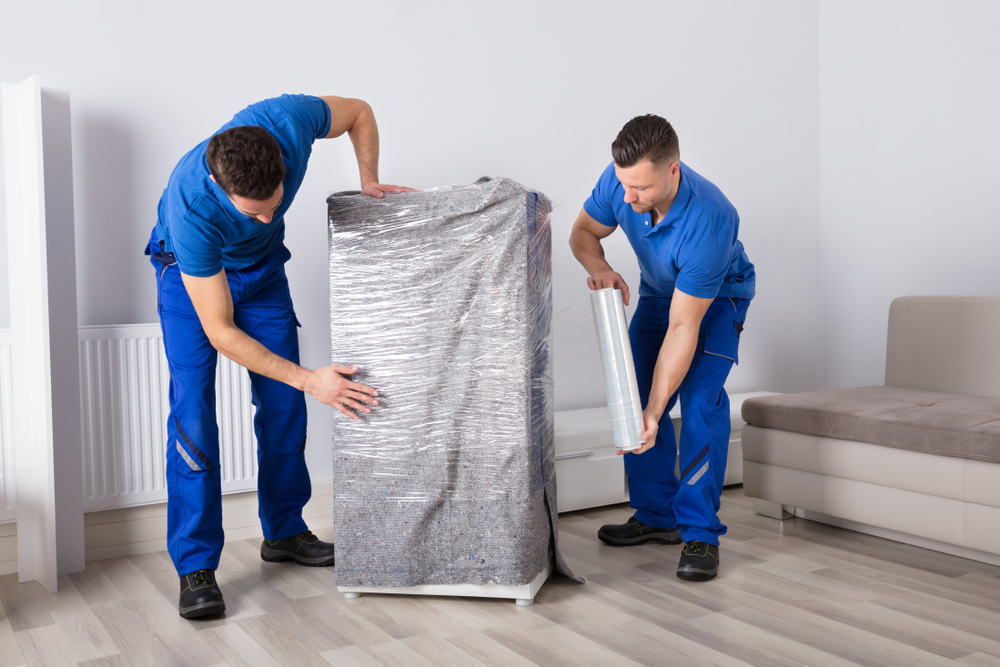
Removalists offer different levels of service depending on your needs / Source: Jake Fast Removals
Once you have made your choice regarding the moving service, you need to find a reliable mover with a good reputation, get quotes, and schedule the move at a convenient time. It’s important to book a mover at least three weeks before you intend to move, especially if you plan on moving during summer. Last minute moves are often expensive and cumbersome.
How to pack your possessions
The next step is to sort through your possessions and organise them into three different sections. Moving is an excellent excuse and motivation to get rid of things you don’t need.
The “keep” section – This section consists of all items that you need and value. These items should have a place in your new home and serve a purpose. For example, if you have a baby grand piano that no one plays, you should consider selling it or donating it instead of transporting it to your new home. On the other hand, if you have an antique clock that fits in perfectly with your new home’s decor and has sentimental value you should include it in your keep section.
The “donate or sell” section – This section is reserved for non-essential items that are in good condition. You can either donate these items to a local charity or sell them on online marketplaces like Gumtree and eBay. Selling the items will give you some extra money at a time when you have a large number of expenses.
The “discard” section – Some items are just too damaged or worn to sell or donate. You need to dispose of these items safely, especially household cleaners, medications, abrasives, and other such substances. Come up with a solid disposal plan for all of your possessions in this section and discard them thoroughly before you’re due to pack for your move.
How to pack for a move
After you’ve sorted through your possessions, start the packing process. It’s a good idea to spread this out over a few weeks instead of rushing through it in the final week before you move. Here are some tips on how to handle the packing for your move:
Collect the material – The first step is to collect packing materials like cardboard boxes of different sizes, as well as specialised boxes for glassware, dishware, electronics like televisions, etc. You’ll also need packing tape, box cutters, plastic wrap, packing paper, bubble wrap, ropes and strings, permanent markers, and labels. You can find all of these items online or in your local stores. Some moving companies provide a certain amount of free packing materials to their customers once they have a confirmed booking
Pack one room at a time – You should keep the unpacking process in mind before you start packing your possessions. If you pack one room at a time and label all boxes properly, you’ll have an easier time unpacking at your new home. Packing one room at a time is also less stressful and ensures you don’t miss anything. You can maintain a list of all possessions in the room, so they’re easier to track during transportation.
Pack non-essential items first – Pack non-essential items that you won’t need during the weeks leading up to the move first. If you pack the essential items, you’ll be forced to look for those things in your packed boxes repeatedly which can cause undue stress. Make a list of items that you won’t need during the weeks leading up to the move and pack them well in advance.
Label everything and place a list of items on the box – After you’ve finished packing a box, label it carefully. The label should contain the name of the room, the name of the person those items belong to, whether the items are fragile, and a list of the items placed in the box. The latter will be useful if you need to retrieve something from the packed boxes as you won’t need to open all of them to look for something. You can refer to the list to see if the item you need is on it.
Keep track of essentials – Essential items can easily become lost during the packing and moving process, so it’s important to keep track of them. These items include medications, documents like medical reports, identification papers such as passports, school paperwork, insurance paperwork, etc. They should be stored where you can easily find them.
Pack essentials – Pack the most essential items a day or two before the move and make sure you have an overnight bag with your toiletries, change of clothes, medication, chargers and mobile devices, etc. This means you won’t have to deal with unpacking immediately after the move.
How to pack fragile items
There is absolutely a right and wrong way to pack fragile items. First things first ensure your cardboard boxes are still strong and sturdy. Reusing boxes from your last move might seem like an easy way to go, but cardboard boxes have a shelf life like anything else, so make sure they are still strong enough for your fragile items.
A good way of ensuring your fragile items arrive safely is to pack your bedding in with these items. Perhaps a doona in the bottom of the box, and a couple of pillows between pieces will ensure any knocks are absorbed in the bedding, and not in your breakables.
For glasses, mugs and cups ensure they are all wrapped separately. This can be a time-consuming task, but ensuring the glassware isn’t touching other glassware will significantly increase the chances of it arriving safely.
How to pack books
Depending on how many books you have to pack up, you may want to think about having several smaller boxes rather than one big box to pack your books. Packing smaller boxes means they will be easier to transport by yourself or your removalist.
When loading up the moving boxes, start with the largest and heaviest books first, then follow up with the smaller and lighter ones. Spread the big heavy books across your packing boxes to make loading and unloading easier.
Keep the books laying flat to avoid damaging or putting extra weight through the binds and don’t be afraid to leave some space in the top of the box, and you don’t need to pack it to the brim.
Sometimes the easiest way to move something is not to pack it into boxes at all. If you have a dresser or chest of drawers that are filled with your clothes, don’t empty it. Let your movers take it as it is and you won’t need to worry about unpacking at the other end either.
Before you start packing make sure your clothes are clean and throw away anything you’ve meant to ditch for a while now. The last thing you want to do it pack a bunch of clothes you’re never going to wear again.
If you have the time beforehand, pack away any seasonal clothing that you know you won’t need before the move starts.
Also, pack yourself an overnight bag of things you’ll likely wear on the couple of days around moving day. This will prevent you from having to sift through boxes to find something to wear once you’re in your new place.
If you have clothes already hanging, invest in garment bags or enclosed boxes to move these items. A few different sizes of vacuum seal bags will be a great space-saving way to get your clothes safely from A to B.
If you have suitcases or luggage handy, use these to fill with clothing and shoes. If you do need to pack clothing into boxes (folded and wrapped in tissue paper or sheets) be sure to use smaller boxes as clothing can be very heavy.
How to pack the kitchen
Packing a kitchen is often one of the most time-consuming jobs during a move. You need to take the time to pack fragile items properly and organise everything in a way that is easy to unpack at the other end.
If you still have the boxes from when you bought your appliances then repack them into these to move. If not, ensure all small parts are secured (a ziplock bag is a great way to keep small parts altogether, and they are easy to label) and that they are stored with the appliance. Bubble wrap and newspaper are both greats ways to keep appliances safe during a move.
See above for packing fragile items.
Keep all your silverware together to prevent them from getting loose and potentially damaging other items in your boxes. Wrapping them all together within a towel or big jumper is a great way to keep them all together.
Pots and pans are best in a large moving box as they can be awkward shapes and sizes. If each pan has a lid, store them together, and if you have small items that can be wrapped and added inside the pans, this can be an excellent way to save on extra packing boxes.
Any other small or miscellaneous items can be wrapped in newspaper and tucked into the boxes with the larger items in them. Save this til last.
Contact local removalists
How to organise utilities for the new home
The last thing you want is to live without gas, electricity, and water when you reach your new home. Arrange for these utilities in advance to ensure everything is in place when you move in. You should also arrange for telephone, internet, and television lines if needed.
You will also need to change your address with the post office, insurance companies, banking institutions, car licenses, and other such important aspects of your life. It’s a good idea to make these changes early because you need some time to settle into your new home after your move.
How to handle the day of the move
The day of the move can be stressful and chaotic, mainly because you need to ensure your entire family is coordinated. Here’s what you need to do:
Go to sleep early the night before and wake up early.
Make sure that you, your partner, and your children have a healthy breakfast.
Keep games, iPads, toys, and other such items at hand. They will ensure your children are engaged during the move.
Call the moving company and confirm the pickup time.
Supervise the loading of all items and make sure the movers handle boxes with fragile possessions carefully.
Do a final walkthrough of your home to ensure you haven’t missed anything.
Say goodbye to any neighbours and friends before you move.
Moving home can be a stressful and time-consuming process so it’s a good idea to get all the help you can find. Hiring a moving company may be the best option for you, especially if you want to move across state lines or over long distances. You’ll save a lot of time and effort in lieu of some added expense.
If you’re in the process of adding an extension to your home or even building a new home, you have three main options when it comes to the bathroom. You can either gut your bathroom and start from scratch, have a custom-made bathroom designed, or install a modular bathroom. A modular bathroom is definitely something you may want to consider. It is the most economical solution because it cuts down on construction costs and is mostly maintenance-free. So you may be asking: what is a modular bathroom? Keep reading to find out and see how it may benefit you.
What are modular bathrooms?
Modular bathrooms are becoming a popular option for bathroom renovations, and it is easy to see why. With modular bathrooms, most of the hard work has been done for you, in a factory or warehouse. Modular bathrooms are shipped in flat boxes and delivered to your home. If you are handy, you may want to install the modular bathroom yourself, but there is always the option to have a technician come out and do the handy work for you.
Modular bathrooms come in a diverse selection of styles, with a variety of features and designs that allow you to create a bathroom that best suits your family’s unique needs. You can still express your personal style and create some customisations. Some of these options include:
Sizes and Shapes: There are a wide variety of shapes and sizes to choose from including smaller square-shaped suites to larger rectangular spaces. There are even modular bathrooms that allow easy access for disabled family members.
Standard Features: Each modular bathroom comes complete with a toilet, shower, sink basin, and tap.
Optional Features: There are many optional features to choose from including a variety of lighting and fans, vanity styles, the option between a sliding or pivoting door, and much more.
Modular bathrooms are designed to make bathroom renovations quick and easy. Shipped in flat boxes that include everything you need to be comfortable in your bathroom, modular bathrooms are a no-hassle, no-stress alternative to the ordinarily time consuming and expensive bathroom makeover. In addition, modular bathrooms are stylish and easy to clean. It is easy to see why so many people are opting for a modular bathroom as opposed to hiring a contractor to rebuild a livable space.
Cost-effective without sacrificing quality
Modular bathrooms are a quality product, and because you don’t have to buy fittings and floor tiles from separate places, replacing any pieces is easy; no more chasing down which store you bought which fitting from, and no more trying to match colours. They’re amazingly versatile, as well; you can select the fittings, colours and size of the bathroom. You can choose the number of entrances your modular bathroom has, and you also have the option of placing the bathroom wherever you want.
Contact local bathroom experts
The installation process
The great thing about modular bathrooms is that they don’t require any preparation work before or tiling after the bathroom is installed. They are complete kits! You may want to hire a handyman if there are some sections that you do not feel comfortable installing, but it is not required. The kits come in flat packs that can fit through doorways or be carried upstairs. To assemble the module, you’ll just need common household tools and then caulk for the seams to make the bathroom watertight. As for plumbing, everything is included in the kit except the external plumbing, which just needs to be hooked up.
Types of outdoor modular bathrooms
Modular bathrooms are so versatile and come in such a variety of styles that there are even options for outdoor bathrooms! This is perfect if you have a pool or tool shed that you spend time in outdoors. Outdoor modular bathrooms are like indoor units, and some of the various configurations include change rooms with showers and toilets for swimming pool areas. Another use for an outdoor modular bathroom could be to simply have an extra bathroom without extending your home.