Categories
News & updates

How to convert Oneflare leads

5 top tips to getting hired on Oneflare and growing your customer base

There’s a few simple things you can do to stand out to potential customers, wow leads and ensure you put your best foot forward to win more business on Oneflare. Here, we’ll take you through five of our top tips to getting hired today. 

1. Optimise your profile 

Seventy percent of customers will check out your business profile before hiring you, and completed profiles win up to 230% more work. The top things customers look for when considering hiring your business are reviews and qualifications, such as insurance, license details or certifications. Make sure your profile is verified by including your ABN and Public Liability Insurance details.

Include a high resolution business logo or profile photo of yourself, professional photos resonate well with customers as they lend authenticity and legitimacy to your business.

Highlight your specific skills and experience in your business description, make it easy for your customers to identify exactly what you do, and what your business specialities are.

The benefits of having a complete online profile are not only limited to differentiating your business from the competitors but also help to build your digital presence, boost your brand and assist with search engine optimisation.

Beyond profile optimisation, also consider:

  • Before & after photos: Your business profile has a portfolio section dedicated to showing photos of your past work. Feature great before-and-after photos of the projects you’re most proud of,customers love to see evidence of past work. Use high quality photos and descriptive captions to highlight the key stages of the project.
  • Getting descriptive:  Use your profile description as a selling tool to make customers hire your business over your competitors. State your business speciality, highlight your passion for your trade, quality of recent work completed, and any specific qualifications, certificates or licenses you hold. Highlight examples of your best work in your portfolio, ensure you have included all of the different types of jobs your business offers in the services section, and provide answers to the Frequently Asked Questions.

2. Get in quickly

To optimise your chances of winning work, always aim to respond to customers with quotes quickly. Sixty percent of winning quotes are submitted within 60 minutes of a job being posted. Responding to quotes quickly proves to the customer that you are keen to complete the work and run a professional business.

Did you know we offer autoquoting

3. Get personal

Personalising your quotes will show that you really care. When responding to customer quotes address them by their name, customise the price estimate and message to their needs, make alternative suggestions you feel may work based on their request, and attach any before-and-after photos of similar projects you have completed.

Explain to the customer how you estimated their price, provide a rough breakdown of costs, including labour, materials and time needed to complete the project. Let the customer know what the next steps involve one they have reviewed the estimation, and portray your excitement for completing the work. Phrases such as ‘I’d love to help’, ‘that’s our speciality’ and ‘we’ve just completed a very similar project, check out the before and after photos’ are great ways of showing the passion and expertise in your field of work.

4. Follow up

Oneflare will notify you as soon as a customer has viewed your quote, follow this up with a more personal conversation. Thank them for reviewing your quote and provide them with more information about your expertise, and how this relates to their specific needs. You are able to contact verified customers by their mobile number and email, though it’s always best to reach out via their nominated method of contact. 

Give the customer enough time to review before you make the initial point of contact. Calling them as soon as they have received the quote may catch them off guard and lead them to think you are too pushy. Some customers prefer email or sms communication, while others respond better with a direct call. With time you will develop a deep understanding of your customers and know what triggers a better response from them.

5. Maximise your reviews

Having good reviews on your profile will resonate well with prospective customers. Businesses with five or more reviews are hired, on average, four times more often than those with less. Don’t be afraid to ask your customers to leave a review of your services after you have completed the job. Oneflare makes this easy providing every business with a review link, which is found below your business information on your profile. You can share this link with customers via email/SMS and social media. The Oneflare Win Work Guide includes comprehensive, step by step instructions on how to collect customer reviews.

Categories
Real estate & moving

What are we forgetting when we move?

Moving is an overwhelming process – we’ve all been there. We also know that it’s easy to forget the little things when we’re in the middle of a million tasks. So, when you decide the take the plunge, here’s a list of things to prompt you to remember the little (and most important things). 

Homebuyers always dread moving day. Everyone forgets something on moving day, and there’s no surprise why. Without a doubt, moving is one of the most stressful things we can put ourselves through. From packing to labelling, organising removalists, unpacking and cleaning, there’s always one thing that ends up overlooked. 

Here’s a quick list of some common things we are most likely to forget when it comes to moving day: 

Miscellaneous items & knick-knacks 

When packing items, the small miscellaneous items are the hardest to place and therefore the easiest to lose sight of. Things like cords, remotes, stationery items and other uncategorised items will likely get lost. 

Because these items are hard to place, we have a tendency to throw them in any box, often unmarked, and leave it to deal with when unpacking. This is when we begin to short-change ourselves. Moving is about organising – so even if you don’t know where to place those growing collection of knick-knacks, put them all together and remember to label it accordingly. It will save you the headache when it comes to unpacking. 

Source: Ozziee Movers

Switching addresses

Moving entails a list of a million and one things to do. One of the more forgettable tasks is to remember to switch mailing addresses. 

While remembering to send out your new address to family and friends is one thing, your bank, driver’s license, health fund/Medicare and utilities are important ones to keep on top of. Keep a running list of any subscriptions or institutions that require your address is an excellent way to stay on top of it. It may be the last thing on your mind, but the aim is to do the work’s brunt at the beginning of the moving period, so you’re not drawing out the process. 

Storing important documents

Documents such as birth certificates, passports, insurance and legal documents obviously need to be accounted for. It’s unlikely that you’ll forget to pack these documents, however, it can be easy to forget to remember where you have stored them. Again, it’s easy to assign all paperwork to its own box, but this can quickly turn into a disaster when you have to sift through piles of paperwork to find crucial documents. 

In this case, assigning essential documents to its own box and labelling it specifically will easily solve the problem. If you’re really paranoid about losing them in the mountain of existing boxes, keep it close and store it in the car with other essentials. 

Contact local removalists

Clean as you go

This is another time-saver, organising the move in increments will help you tick off (mentally or otherwise) your checklist. While this is true for packing, it’s also a time/energy saver for cleaning. 

Cleaning as you go can help keep the stress levels down. It can be tempting to want to pack everything up first and deal with the cleaning later but having an entire house to clean at the end is a dreaded task. 

Cleaning a room (vacuuming, wiping/cleaning walls and windows) after the room’s contents is packed will allow you to thoroughly move through the house. You won’t be able to do this with every room, but it will certainly help out when you’re going through more dominant areas of the house like the kitchen. It’s also a good opportunity to do some decluttering in the process.

When you’re finished, close the room off, so you know it’s done and completed. 

Similarly, when you move into your new home, take the time to clean and organise your possessions. You’re more likely to remember where things are if you’ve taken the time to place them rather than dumping them somewhere. This is especially true with storage spaces like your garage and shed. These are the areas that are most likely to get disorganised very quickly. Yes, it will take time, but you’ll be grateful for your efforts later on. 

Remember to set aside the essentials 

Packing and unpacking aside, your first moving day will be the most exhausting and stressful day. 

Having your essentials ready at hand will be your saving grace when it comes to the first few days in your new home. Make sure you have these essentials packed and ready in the car the night before you move to save you the pain of rummaging through your packed boxes. 

  • Bottled water
  • Utensil-free snacks at hand 
  • Disposable plates, cups and cutlery 
  • Cleaning supplies: paper towels, sponges, multi-purpose/window cleaner, broom, dustpan and garbage bin 
  • Charging cords
  • Light bulbs
  • Bathroom essentials – toiletries, bath and hand towels and soap
  • Laundry supplies
  • Bedding essentials – sheets, duvets/duvet covers and pillowcases

You’ll likely spend the first few nights eating out or ordering in but if you decide to cook, refrain from anything that requires too much effort or cooking supplies. Be sure not to unpack anything unless you have a designated space for it.

Aside from the above, pack your personal possessions as if you were going away from the weekend – be sure that you have your toiletries and any medication packed with you. Again, the last thing you want is to be going through packed boxes trying to find your shampoo and conditioner. 

Source: R.W.C Transport

Understand the value of your property

It may not seem like it, but understanding your new home’s value is the first pre-emptive step in moving into it. Before you make an offer, a property valuation is a good start to ensure that you’re paying the current market value. You don’t want to pay more than what the property is worth. Purchasing a property, the process of moving into it and everything that can come after is expensive, and you don’t want to add any unnecessary costs. A property valuation will give you a clear indication of the property worth. It will help you save a bucket load in long term mortgage repayments. 

Moving will always be a hassle; however, remembering these little things can help save you time and (more importantly) money. Being as organised as you can be will be your saving grace and remember to label everything. The rest will fall into place. Happy moving!

Categories
Bathroom & laundry

Adding a vanity to your bathroom

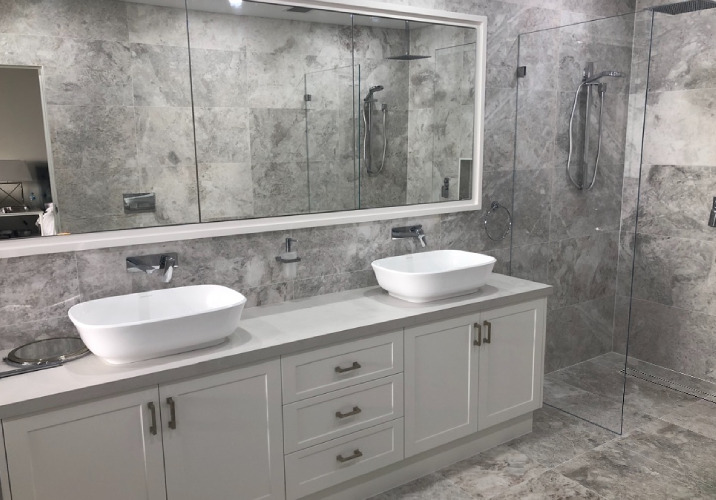
No matter how large or small your bathroom is, the vanity should be its centrepiece. An attractive, well-constructed vanity adds the conveniences of a sink basin, as well as cabinet storage and countertop space. Here are some tips for choosing the right vanity for your bathroom.

The basics

The bathroom vanity is simply the area around the sink – the sink fixture and the cabinetry around it. You’ll use it just about every day when you wash your hands, brush your teeth, shave or just get a drink of water. Since you’re going to see and use it all the time, it’s important to get the right design for your bathroom – not just for aesthetic purposes, but for practical ones too.

You’ve got an enormous range of options in choosing a bathroom vanity. You can go big or small, and you can choose from an array of different materials – wood, MDF, or laminates, for example. Go with a moisture-resistant material for the frame that surrounds the sink, since it will definitely encounter some wetness after installation. You have a much wider range of choices when it comes to the benchtop. You can get that made with just about any type of material and in any sort of colour. Choose what best matches the rest of your bathroom.

You’ll also want to choose between a single-sink layout and a double-sink layout. Choose the double-sink if you’re concerned about sharing a single sink during those busy mornings or the single-sink layout if you think it’s not going to be that busy!

Source: S.F.D Caringbah

Picking out the right vanity

Like Goldilocks and the porridge, you need to pick out the vanity that is just right for your bathroom. Size is a consideration. The vanity needs to fit into the bathroom, but not seem out of place. It should be big enough to store all of the things you need, but not so gigantic that it overwhelms the rest of the room. Once you’ve got the size sorted out, choose between a single-sink and a double-sink layout, and make sure you have all the storage space you’ll need.

From there, it’s time for the fun part – picking out the vanity’s design. You have to make sure that the design goes with the rest of the bathroom. An ornate, French-styled vanity goes well with a country-like bathroom, while an opulent marble vanity gives a good burst of class to any luxurious bathroom. Choose carefully, and be sure to keep maintenance in the back of your mind – wood vanities are extremely susceptible to rot and require constant monitoring to make sure they don’t decay. 

Contact local bathrooms experts

Features to look for 

Before you start shopping for a bathroom vanity, take a good look at the proportions of your bathroom. Will a rectangular vanity fit best, or should you opt for an oblong shape? Likewise, you’ll also want to prioritise your needs. If you need extra space to store toiletries, medications, cosmetics and hair products, you’ll need to find a vanity that has plenty of storage space and drawers. If you have a large family and your bathroom is a hub of activity in the morning, you might also want to consider getting a vanity with two sink taps.

It’s also a good idea to consider maintenance issues. You may love that benchtop made of exotic hardwoods, but don’t choose it unless you’re willing to do the regular maintenance it will take to keep it oiled and properly cleaned. There are a wide variety of laminate materials that are easier to clean and will look just as good.

Your vanity will more or less set the decorative style for the rest of your bathroom, so if you have a contemporary look, then opt for a streamlined vanity with simple touches. Likewise, if your bathroom is more decorative, you’ll want to choose a more ornate vanity that can be a showpiece for the room.

Source: Illawarra Bathrooms

Beauty in simplicity

Bathroom plumbing is now being routed through the walls rather than underground. You don’t have to hide the plumbing by mounting your toilets and vanities on the floor. Stylish wall-mounted units are now catching on. The older plumbing layout also meant that the space under the counter was fully used up by the sink and its associated pipes. Now, with the plumbing safely out of the way, you can instal actual drawers to the side of the sink instead of making do with drawer facades. These drawers offer ample space to store a number of useful items for convenience and ease of reach. Floor-mounted vanities were also bulky and created the effect of a cramped space. The wall-mounted models look light and trendy, without compromising on the storage capacity inside. They make the bathroom look more spacious, colourful and lively.

By doing a bit of homework and asking for advice from a professional, you’ll be able to find a vanity that is not only aesthetically pleasing but also fits your bathroom — and your budget.

Categories
Bathroom & laundry

Choosing a rain shower head

If you’re trying to conserve more water in your household – a rain shower head may be the solution you’re looking for. Rain shower heads are now more stylish, use less water, and as a result, are more energy efficient. Not to mention they turn a daily ritual into a luxury, adding a touch of resort living into your home. Rain type shower heads have continued to gain popularity in recent years as people become more conscious about water conservation.

How do rain shower heads work?

Rain shower heads conserve water by simply using less. They build pressure inside by having smaller holes and releasing less water.

Earlier shower heads had larger holes for the water to flow through, and therefore used more water. Earlier models were not as efficient, and consumers complained of a ”needle and pin” type of spray. Today’s models feature adjustable heads and can make the water spray finer. They can also add more flow with just a turn of the shower head. Engineers developed a technology called ”Laminar Flow” that forces bigger droplets of water to flow into each other, simulating rain.

Source: Building Boys

Rain Shower Head Styles and Sizes
Rain shower heads are available in several different styles and shapes. They can be rounded, square, or oval, but they are all designed to save water. They all spread the water out over a larger area, giving the sensation of a rain shower. There are ceiling mounted rain type shower heads that are fixed and are pre-adjusted. These come in different styles that are usually dictated by shower choice. They can come customised with stereo systems and LED displays as well. Wall mounted rain shower head units can be adjusted for flow rate and height for taller or shorter people. Handheld heads are also available for those who may need to sit down while taking a shower.

Contact local experts

Installing a rain shower head

Some rain shower heads are available in kits that can be installed by homeowners. These are typically more inexpensive and can be easily attached to the existing shower pipe. If you are considering a complete renovation of an existing bathroom or adding a new one, the options for rain shower heads are wider. Decide what type and where you want it installed before proceeding with the plumbing phase of the bathroom renovation.

If you live in an older house or flat, it may may be time for a shower head upgrade. A rain shower heads help you reduce water consumption and save money.

Categories
Construction Outdoor living

Top ways to improve your driveway

Driveways are one of the first things people see when they arrive on a property. Usually, they go unnoticed. However, they are usually are precursor of what’s to come or what to expect from the house. The saying, first impressions last longest, can very much apply to your driveways introduction to your home. Setting the standard high is very important to onlookers perception and setting the right tone.

So, with this in mind, we are going to give you a few tips and ideas on how to improve the overall look of your driveway.

Tip #1: Fixing general cracks

General surface cracks are really common in driveways over four to five years old. While small cracks aren’t going to ruin your driveway, if not addressed, can lead to a much bigger problem.

The type of cracks a driveway has is do with the materials. For example, if your driveway is made of concrete it will be prone to hairline cracks, for example asphalt. Hairline cracks, are pretty easily sealed over, usually with sealant. Fortunately, this repair job is super cheap and will only take about 20 minutes.

The cracks that you want to be aware of are called, alligator cracks. They get the name alligator cracks because they end up looking like the scales of an alligator. Visually, these look terrible and practically, they can expand and grow over time making your problems ten times worse. Fortunately, they only occur where the asphalt or concrete is weak on your driveway. This means fixing the cracks is really no big deal.

The solution

All you really have to do with these types of cracks are cut out and remove the affected area and re-seal it. Make sure the reseal is the same colour as the surface and that it’s levelled to prevent the replacement looking out of place.

Source: Bullfrog Constructions

Tip #2: Staining your driveway

Staining your driveway is one of the easiest ways to give your driveway a nice new look. This tip is for concrete driveways only. Applying a staining solution pretty much the same as staining a piece of wood.

All you need are the following four things:

  • Broom
  • Paint Roller & Paint Tray
  • Driveway Stain
  • Some Good Weather

We recommend using water-based stains over acid stains because means the better range of colours you can get. Concrete stain is a bit different to paint, as instead of just sitting on the driveway’s surface, the stain permeates into the concrete. This causes the stain to fuse with the concrete rather than just sit on top.

The solution

All you really have to do is sweep off your driveway and make sure there is no rubble, and as little dust as possible. Then, pour your concrete stain into your paint tray and apply the stain to a roller.

Make sure you work backwards from the bottom up to ensure that you are not walking over the work you have already done. Usually, the stain will dry within one day. However, make sure you read the instructions on your stain as all types are different.

Tip #3: Bring in the plant life

Simply putting in some plant life along the sides of your driveway can make a world of difference.

What we have found to make a big difference is placing fresh grass seed along the edges of a driveway. Once this fills in, it should come right up to the edges replacing an area that is typical pretty barren.

For some, the lack of grass on the surrounding edges of your driveway might not even be an issue. But for those that it is, and who are wondering why this is, here is the answer:

If you driveway does not have appropriate drainage channels, water will tend to run off to edges and onto the soil. This water will pool and, over time, erode the surrounding grass. While filling in the grass is not a long-term solution, it can act as a temporary fix.

If you intend to do a bit more heavy-duty garden work, such as planting some trees or thick bushes, be mindful of the root growth. As time goes on, tree and bush roots will burrow underneath your driveway. These can lead to general cracking in the future and eventually undermine the entire driveway.

Contact local landscapers

Tip #4: Lighting

Line the sides of your driveway with some LED lights.

Typically, this is something you want to do while your driveway is being constructed. That way, you can embed them into the concrete or asphalt. This will make the lights and the driveway look one and the same.

But have no fear! If your driveway is already built you can still add some awesome lighting features.

You can pick up some pretty cheap outdoor LED lights from amazon and best of all; they can run on solar power. All you need to do is place them in semi-concealed spot so as to ensure that they still get some sunlight and illuminate your driveway.

Source: S.F.D Caringbah

Tip #5: Pressure wash

This has got to be the cheapest and easiest of all our tips. Simply pressure washing your driveway can take as little as 15 minutes and can make a world of difference.

Over time, your driveway will come into contact with oils and all other manners of stains and dirt. If you don’t already own a pressure washer, head down to your local hardware store and rent one for the day. Washing your driveway will take little to no time at all. A high-quality pressure washer will be able to wash all manner of stains off the surface.

Categories
Pets

5 ways to prepare for a new dog

Life as a dog owner is tough work. Yes, there will be endless cuddles, kisses and games to be played, but the fun can only happen if you look after your dog properly. There are many cases where people will choose to get a dog for the novelty of it without thinking through the responsibility of raising a pooch.

There are several actions that need to be taken before you welcome home a new canine friend. If you can commit to the five following steps, then you should be on-track to provide a dog with a loving home and a happy life.

Choose a breed of dog that suits your lifestyle

A part of making sure that your family is ready to have a dog is to choose a breed of dog that is suited to your lifestyle. There are many different dog breeds, so you need to consider what your current lifestyle is like. What kinds of changes are you willing to make? What changes can you simply not budge on?

Also, consider any special considerations of your family members and your home. Does anyone have any allergies? Do you have a yard for a dog to spend time in or will you take them to the park to stretch their legs? Can you dedicate time to house-train a puppy, or would an older, low-energy dog be a better fit?

Different sized dogs will suit different homes as well. If you have a large yard and enjoy going for walks, a larger dog will be perfectly suited to your home and lifestyle. However, if you live in a small apartment with no yard, a smaller or low-energy dog may be your best option.

Source: Happy Hounds Dog Walking & Pet Sitting

Make your home dog-friendly

Many people think about getting a dog and rarely consider changing anything in the home. But, as well as making your home more comfortable for your new furry friend, a well-designed home can also make it safer for them.

Take a look around your home and look for any potential dangers or hazards. If you’re getting a puppy, your curious friend may look at any electrical cables and wires around the home and think they’re fun to chew on. Even medications and cleaning products can be fatal to your dog if they find them.

You may also want to consider adding pet-friendly features to your home. Built-in feeding bowls that blend into your kitchen, secret entrances just for your pet and beds that are hidden in plain sight will all help to create a special haven for your dog.

Remember, no matter what age your dog is and how much they’re trained, muddy paws and the occasional accident might happen. So, be prepared for any messes and choose dog-friendly furnishings that are durable yet easy on your budget.

Get pet insurance

We never want to think the worst will happen to our pets, but the fact is, accidents and illness can happen. Pet insurance is one way to have that extra peace of mind when owning a dog. This insurance covers essential medical costs in an emergency.

Depending on the type of cover you choose, your pet insurance can help cover the costs of regular healthcare such as teeth cleaning and worming, as well as major treatments when your pet is ill. Certain breeds of dog will also be susceptible to certain health problems, for example, the french bulldog breed which can lead to obstructive airway syndrome in certain individuals. Check on your breed of dog and research any potential health risks they may inherit.

From paralysis ticks to car accidents and serious illness, pet insurance means you can have the confidence to give your pet the best care they need.

Contact local pet groomers

Training your dog or puppy

Often considered but rarely implemented, obedience training should be on the top of your priority list for your new dog. Training will help your dog to be better behaved and will nurture a healthy human-animal relationship. Although some people see a dog as a friend, a part of being a responsible dog owner is making sure your dog is obedient and well-trained.

Training can either be completed by a specialist dog trainer in your local area, or you can train your dog yourself. A dog trainer, however, will have a lot of experience and the know-how to best train your dog in the shortest amount of time.

If you train your dog yourself, allow approximately 15-20 minutes of training time per day for formal training sessions. Each time you interact with your dog, they will be learning from you, so be sure to not let your dog get away with bad behaviour outside of training sessions. Remain calm and focus on teaching your dog commands such as “sit”, “come”, “down”, “stay” and “leave it”. Remember to give your dog plenty of time to learn and soon enough, you’ll improve your communication.

Source: Happy Hounds Dog Walking & Pet Sitting

Commit to daily walks

Just like humans, all dogs require exercise to lead a healthy life. Even with a yard, a dog will rarely exercise on their own; which is when you, as a responsible dog owner, come in.

Dogs need a daily walk for both physical and mental stimulation. They love going outdoors for a chance to engage and smell the environment, as well as to have the chance to socialise with other people and dogs.

A lack of daily walks can lead to destructive chewing and digging, investigative behaviours such as searching through rubbish bins, unruliness and hyperactivity. Daily walks will have positive effects such as keeping your dog agile and limber, help them to build confidence, reduce digestive problems and keep their weight under control.

A happy and healthy addition to the family

Adding a dog companion to your home and family can be hugely rewarding. Although it may seem like a simple process, there is still a lot to consider when getting prepared for your new family member. With the right breed for your circumstances, a well-fitted home and some training, you’ll be able to give your dog the best chance at a happy and healthy life.

Categories
Outdoor living

Top home improvement projects to tackle during summer

Summer is perfect for enjoying the outdoors on warm sunny days. it is also time to tackle those small home improvement projects that you have been putting off all year. These projects do not have to be time consuming or expensive, but they need to be completed so that you can get on with your summer fun. We’ve put together a list of the top home improvement projects that you should tackle during the warmer months!

Outdoor projects 

Outdoor projects are always easier to manage when the weather is warmer and the days are longer and lighter. These projects will help your outdoor spaces be a more enjoyable space to spend your time in.

Clean the swimming pool

Your swimming pool should be serviced and cleaned at the start of the summer months. Your upkeep during the summer season will be much easier as it will require just routine skimming, chemical treatments and vacuuming. Periodic removal of debris after summertime storms may be needed, but you will still have plenty of time for fun in the sun.

Clean out the gutters

Summer can be a risky time for fires, so it is a good idea to clean the gutters on your house of twigs and leaves. This will also keep rainwater from backing up and spilling over into unwanted areas. Call a gutter repair or cleaning service to get an estimate for the initial cleaning and inspection job. You can also do easy spot checks during the summer to keep the rain gutters clear.

Clean sidewalks and driveways

You can rent a pressure washer and blast the driveway to clean the accumulated oil and grime. The sidewalks around your home will really stand out after being washed with high-pressure. The local rental shop can recommend the proper detergent to use on these surfaces. Permanent stains on the driveway can be avoided by doing a yearly cleaning.

Source: Dayelsford Gardens & Lawns

Lawn, shrub and flower bed maintenance

Mowing the lawn and trimming hedgerows during the summer months can be made easier if a maintenance program is in place. In early spring, call a landscape professional to come out and perform needed yearly tasks such as fertilising, pruning and pest control. You will only have to do minor trimming and mowing during summer, leaving more time for you to enjoy your yard.    

Install a drip watering system

If you prefer to spend less time watering your lawn and garden by hand or moving sprinklers around, you may want to consider installing a drip irrigation system. Inexpensive do-it-yourself kits are available and are not difficult to lay in place. You will save money on water bills and have more time to enjoy your summer.

Contact local pool cleaners

Indoor projects

Renovations to the home are best done in the warmer months to avoid making contractors work in cold and wet conditions. Whether it’s a simple extension, addition or renovation to the kitchen or bathroom, it can give the feeling of a refreshed start – to start the year in the right way.

Fresh paint

Fresh paint can make your home look newer, brighter and more open. Summer is the perfect time to paint the interior and exterior of your home because the paint dries faster in dry weather. Summer hues are a good choice for paint colours because they will make your home appear brighter and happier all year. Good summer colour choices include white, yellow, mint and lavender. For more colour ideas, visit your local paint supply store or talk to a professional house painter.

Source: ESTEEM Constructions

Renovate your kitchen

If you have been thinking about renovating your kitchen, summer is the time to do it. The reason why is that you won’t be able to use your kitchen for cooking during the renovation process. During the summer, you can simply barbecue outside. Renovating your kitchen does not need to break the bank – you can make a few small but key changes to completely transform its look and feel.

Pest control

If you haven’t already noticed, warmer months usually tend to attract more bugs and pests around the home. Mosquitoes buzzing around your ear at night and an army of ants in your pantry are not the ideal way to relax during the summertime. Pests are on the rise as the weather warms and it’s important you have yourself and your family covered for the summer. Read more about ways to repel pests in the best way possible.

Categories
Bathroom & laundry

How resurfacing can transform your bathroom

Does your bathroom look like it needs a facelift? If it makes you sigh in defeat instead of pleasure when you look at it, probably so. One option would be to hire a professional to come in, gut it and put it back together. However, if your bathroom is structurally sound, a better and less expensive alternative is to resurface it. Resurfacing can hide and repair chips and stains in a bathtub or sink at a fraction of the cost of replacement.

When resurfacing is the right choice

Before you commit to a larger project, it is best to determine if bathroom resurfacing is enough. In this process, you will apply a new surface agent to the surfaces present. There are many ways you can do this. Some of the areas that you can easily resurface include the following:

  • Wall tiling
  • Cabinets
  • Baths and basins
  • Splashbacks
  • Vanity tops

You should not use this method on flooring, though. Because of the foot traffic these surfaces get, it will be hard to actually see lasting improvement overall. Keep in mind that if you do want to use this process on flooring, a professional should be hired for the job.

There are many instances in which bathroom resurfacing is a better option. Resurfacing your existing bath will only cost about 25% of the cost of installing a new bath. This process still remains one of the most cost-effective options for tiles as well, though you have to factor in labour costs.

Remember that this is also a process that is faster than renovations. In short, you can have the entire job done in a few hours rather than the weeks it will take to renovate the space.

Source: Ryan Linngar Photography

How hard can it be?

Resurfacing a bathtub or ancient bathroom tiles is a totally different experience than painting a wall or installing wallpaper. If you were to resurface a bathtub yourself, you will likely get an ugly, uneven, dishevelled mess and you would have to call a professional to fix your mistake. Rather than wasting your time and energy on this difficult project. You may want to contact an expert right away. Here is a look at why you should leave resurfacing to the professionals instead of doing it yourself. 

What gives bathroom resurfacing a bad name?

What is the difference between a tiled wall that has been painted over by an amateur and a resurfaced wall handled by a professional? When a professional does it, you won’t be able to tell that there is tile underneath. Professional resurfacing provides perfect or near-perfect results, whereas if you did the job yourself you would have a mess, a headache, and a bill for a professional. 

Price, of course, plays a major factor. While many people see DIY as a way to save money, you could actually be spending more money by tackling this by yourself by fixing your mistakes, and there will be mistakes. But aren’t professionals expensive? You could actually be saving yourself money by hiring a professional and having it done right the first time. Not to mention, resurfacing a bathroom is a lot cheaper than a full-fledged bathroom overhaul.

Contact local bathroom resurfacing experts

Not convinced?

If you’re not convinced yet, think about this: when you have your resurfacing done by an expert, the work will come with a warranty. If anything goes wrong within the warranty period, the bathroom resurfacing specialist will fix it for you. If you tackle the job yourself and something goes wrong, you have only yourself to blame. Although warranty periods differ, if you get the job done by the pros, you can expect your tub, sink or tiles to still be looking great for up to 15 years.

When renovation makes the most sense

There are other instances in which bathroom renovation is the best route to take. If you want to move fixtures around or you want to change the entire appearance of the room, this is a good option.

  • You may want to make drastic changes, such as converting your bathroom into a wet room. Renovation is necessary for this instance.
  • You may want to replace the current bathroom fittings, but you may also need to replace the sink or bath in order for the new fittings to work well and look good.
  • Resurfacing will not help when you want to have a brand new look that uses things like glass bathroom tiles or more modern splashbacks.
Source: Buildtech Homes

Hiring a resurfacing expert

Your bathroom resurfacing company should have demonstrated experience and full qualifications. Ask to see certificates for industry-related qualifications and all necessary insurance. Find out how long they have been providing bathroom resurfacing, and ask to see photos and testimonials from their previous clients. Make sure they use accredited bathroom resurfacing products, so you can be sure your resurfaced bathroom will be safe and durable.

Categories
Lighting & electrical

What to consider when it comes to ceiling speakers

Home theatre systems are becoming more popular and more affordable, with Australians paying more attention to the setup of their speakers than ever before. Before home surround sound systems, a TV’s built-in speakers were all people would use when watching TV. A decent stereo system would simply consist of a couple of speakers on the floor and perhaps a subwoofer for a bit of extra bass. Today, however, five speakers is the least you’ll see for any decent surround sound system. The question is, where do all these speakers go? With this thought in mind, let’s consider the benefits of choosing ceiling speakers, rather than regular speaker systems.

Freestanding speakers Vs. built-in speakers

If you are not planning on moving home any time soon, built-in speakers are the best option. Regular floor speakers take up space, no matter how they are set up. To avoid this as much as possible, most people push them into the corners of the room, but this simply leads to reduced sound quality. That means you’ll need to rearrange your furniture to get the best sound possible. In addition, having a host of speakers dotted around the room can make it look cluttered and messy.

Wireless speakers don’t come with these annoyances. However, they don’t completely eliminate the problems of floor or shelf speakers either. The only option you have when completely removing these issues is installing either wall or ceiling speakers.

Why the careful placement of ceiling speakers?

Some might be under the impression that you can just stick your speakers anywhere, and it will be just fine. However, if you want high-quality sound that can be heard equally throughout the room, correct placement is key. Remember, you will be making holes in order to fit your ceiling speakers, so planning in advance is important. Otherwise, your ceiling could end up with some unnecessary extra holes, and speaker cables might need to be cut and/or moved.

Source: Shutterstock

Correct placement of your ceiling speakers

Consider the main, most-popular seating area in the room, and plan around that point. Make sure that you always balance everything out. In other words, your front-left and front-right speakers should be an equal distance from the determined point. The same goes for the rear-left and right speakers. You centre channel speaker needs to be placed in a central position under the TV. The subwoofer should be placed as low to the ground as possible as well as in a central position towards the back of the room. While it is important to place your centre channel speaker and subwoofer in the correct positions, the real trick is getting those ceiling speakers right. Be advised that, once they are fitted, it is unlikely that you will be able to move them around other than slightly within their housings.

Inspect your ceiling first

Before going ahead and making holes, you must inspect your ceiling properly. Make sure that there are no objects, such as beams, in your way. Such objects will cause an obstruction, so you will have to work around them and place your speakers in the next best location.

Choosing speaker mounts

When choosing speaker mounts, there are several things that you need to consider. First of all, do you want to drill holes in the ceilings? If this is not a problem for you, ceiling mounts are ideal. If, however, you don’t want to drill holes, or you can’t because you are renting, speaker stands are usually best.

You also need to consider whether you are likely to rearrange the furniture in the room at any time. This is important because getting the most out of your speakers and their position will involve you sitting in the right place. If, for example, you change where you sit, you will need to adjust the position of all of the speakers to optimise the sound from the cinema system. It isn’t a problem If you are using floor stands, but it certainly is if you have mounted stands on the ceilings.

Let’s not forget that it is also possible to mix floor mounts with ceiling mounts. For example, you could use mounts for your front speakers and then speaker stands for the surround sound speakers. It really comes down to personal preference and whether you want to use one type of mount or another or a combination of both to achieve the best sound possible.

Contact local electricians

The benefits of wall speakers 

The only downside of ceiling speakers relates to the sound they deliver when compared to wall-mounted speakers. This is because:

  • The main speakers are directional. Wall-mounted speakers are easier on the ears because they mimic the areas that sound actually reaches our ears in real life. We are not used to hearing sounds coming from above us, so this can take time to adjust to. However, some new models have begun to address this issue to produce sounds that are more realistic.
  • The subwoofer is omni-directional, meaning that the bass pulses travel all around the room. Many people will say that ceiling subwoofers will reduce sound quality, although this can be overcome by simply having the subwoofer on the floor, with the other speakers on the ceiling.

A good home theatre system is not complete without a good set of speakers. If you aren’t happy with your current freestanding speakers, consider getting some ceiling or wall speakers installed. If you want to save space, ceiling speakers may well be your best option.

Categories
Heating & cooling

What does a dehumidifier do?

You absolutely need to be comfortable within your own home, and one way to ensure extreme discomfort is to have a home that is too humid. It feels lousy, and you’re also opening up your abode to some very harmful things. Humidity creates a moisture-laden home that could bring about a horribly unhealthy environment. It could lead to plenty of mould and other harmful allergens throughout the whole house. So, how do you combat this humidity? The easiest way is to invest in a good, strong dehumidifier. A good dehumidifier will take out all of the excess moisture in the air, making the whole home more comfortable and safer for anyone living there.

The benefits of a dehumidifier

They get rid of mould and musty odours

An excessively humid home can promote the growth of mildew and mould, which will end up emitting an unsavoury musty smell. Mould and mildew thrive in wet environments, and the smell is not easy to eradicate if you do not tackle the source of the dampness. A dehumidifier is beneficial in the sense that it removes the excess moisture from the air, which stops the growth of mould and mildew and eliminates the nasty musty smell. Mould and mildew can also be detrimental to your respiratory health, so using a dehumidifier can help prevent illness.

They promote the longevity of your home contents

Dehumidifiers help protect your home’s contents from the effects of excessive moisture. They also promote the longevity of items, such as clothing, books, food and shoes. These items will also never smell musty as a result. A dehumidifier will also prevent household pests, such as silverfish, from thriving, which helps protect your books and clothing.

Changing the water out of a dehumidifier / Shutterstock

They help enhance your health

A humid environment is not very conducive for those who are prone to airborne allergies and asthma. A dehumidifier would therefore come in very handy, as they promote temperature stability. Dehumidifiers also have the added benefit of including a filter that assists in eradicating air pollutants, such as dust, mould spores and pollen. This promotes a healthier indoor environment for you. Dust mites are also reduced within the home since they can only thrive in humid environments. This can help reduce allergic reactions and asthma attacks.

They are beneficial for drying clothes

Dehumidifiers are ideal when it rains and you are unable to hang your clothes outside to dry or if you prefer not to use a dryer. All you need to do to dry your clothes in record speed is secure them on a drying rack in close proximity to the dehumidifier. Another added advantage is that your wet clothes would not be adding to your home’s humidity. Dehumidifiers are also able to dry clothes overnight, and they are also more energy-efficient than dryers since they use less power. This means you’ll have lower electricity bills, which also makes dehumidifiers a cost-effective choice.

Types of portable dehumidifiers

Absorbent

For small areas that require the removal of moisture, an absorbent dehumidifier is an ideal option. For instance, the Hippos you observe in department stores, hardware stores and supermarkets are containers that hold absorbent material like silica gel. This material absorbs the moisture in the air and pushes the water down to a collection area. Once it is full, you simply dispose of the excess water. This is ideal in cupboards and closets. For smaller areas, utilise sachets or silica gel, which will help mitigate mould.

Refrigerant

By drawing warm, moist air from the room, a refrigerant dehumidifier runs the air through several coils that have been cooled and returns dry air to the environment. This process is extremely effective because the warm air meets the cold coils, resulting in condensation. This water then drips into a bucket, which must be periodically emptied. Another option is for the excess water to drain through a special tube. These dehumidifiers are available in a variety of sizes to fit any room and can be easily moved. Additionally, for extra-moist areas, several can be run simultaneously.

Desiccant

Similar to refrigerant dehumidifiers, this equipment sucks warm, moist air and also expels dry air. The difference is that as opposed to removing the moisture-utilizing cold coils, there is a bed of desiccants inside, which absorb the moisture. The excess water is then drained into a bucket, which must be emptied. Similarly, the other option is a special tube that drains directly outside. Additionally, these are available in a variety of sizes and can easily be moved and paired with other dehumidifiers.

Dehumidifiers can be small and compact / Source: Shutterstock

Finding the right dehumidifier for your house

The first thing you should do is examine the layout of your house so you can pick out just the right type of dehumidifier. Examine the space where you’re going to put in the dehumidifier. Take into account how big or how small the space is, how much average humidity is in the space, and how much you use the room. If you have a smaller room you’d like to make more comfortable, there’s no need to pick up a gigantic dehumidifier – and vice versa. Check-in on the specifications on every dehumidifier. Look at the capacity first. Your average dehumidifier for a one- or two-bedroom home should be able to take out 10 litres of water from the air every day, while ones designed for bigger houses need at least double that capacity. Next, look at how much noise the dehumidifier will produce. If you have it in an area where you’re constantly working, louder dehumidifiers might quickly become annoying. 

You also want to look for a home dehumidifier that is easily transportable. Try to avoid the super-heavy ones, and look for dehumidifiers that can be moved from one room to another. You should also definitely invest in a dehumidifier that has a device called a ”humidistat” This device automatically adjusts the levels, so you’re not constantly turning the dehumidifier up and down. 

Climate considerations

Where you live also plays a part in choosing the right type of dehumidifier. The wetter the area you live in, the more powerful your dehumidifier should be, as there’s that much more moisture that needs to be removed from the air. If your climate is a more temperate one, you might want to get a smaller, more portable dehumidifier that can easily be moved from one room to another. That’s all you should need. If you have any questions about the capacity of the dehumidifier, ask a local expert at a home-supply store. They should be able to give you all the information you need.